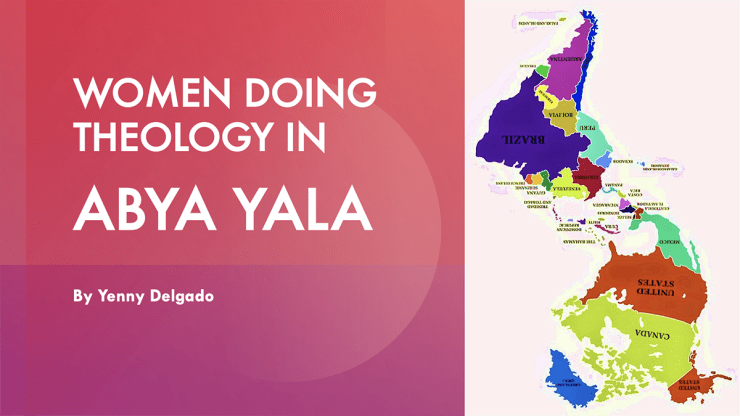
Women Doing Theology in Abya Yala*

While sitting in church, attending a seminary class or reading a theological article, have you ever wondered where the women theologians are and why they are not cited? This article highlights women liberation theologians of Abya Yala so the next time you are in a theological discussion, preparing a Bible study or writing a sermon, you can reflect on and add the voices of women forging a path through the most critical issues in the continent.

In the 1970s, Native activists, historians, politicians and theologians adopted Abya Yala as the unified name of the continents of the Western hemisphere, instead of calling them North America (English speaking) and South America (primarily Spanish and Portuguese speaking countries) — names that perpetuate colonial divisions. Abya Yala comes from the Guna language (spoken by the Guna peoples, who lived between present-day Panama and Colombia). It means “land in full maturity and land of vital blood.” This name for the combined continent focuses on the land and its Native people, rather than on colonization and invasion.

Women theologians of Abya Yala see the land and shared experiences as part of a longer arc of history, one that is not overshadowed or forgotten but rather is incorporated into their reflections. Theologians of Abya Yala present not only a unified production of women doing theology on the continent, but also a liberation theology that focuses on the role of women who suffered colonization, forced migration, enslavement and the oppression of women’s bodies.

In the overarching narrative of society and of Judeo-Christian theological belief, the man is at the center of power, society, culture and religious practices. After many struggles and battles, women have mobilized against laws that have sought control over women’s political participation and theological reflections. As the arc of society slowly bends closer to equality, the Christian church has experienced changes that also have affected the establishment. Women leaders have arisen as theologians, pastors, bishops, ruling elders and moderators, among other vital roles.

Colonization also brought patriarchal structures and White supremacist ideologies, which have often marginalized and subjugated Native and African-descended women in both society and ecclesiastical spaces. Overall, this marginalization hurts the community and leads to the fracturing of women’s identity, a lack of clear leadership opportunities, oppression in the family structure and assimilation to cultural domination. These all affect social dynamics, legislation and theological reflection by and on women. Unfortunately, the implications of these harmful practices and theories still linger in society.

Women theologians, beginning in the 1960s, have understood women’s conditions needed to be visualized and their voices heard. Womanist theologians have highlighted how foundational texts were written predominantly by male theologians descended from Europeans and how these texts failed to consider the perspectives and insights of women. Womanists, most of whom are African descendants in the United States, have created a methodological approach to theology that centers on the experience and views of women. Native women have incorporated a womanist theology of decolonization and women’s contribution to liberation from a Native perspective.

Women’s work in the theological and pastoral world is diverse and significantly contributes to the discourse. However, women’s work is often made invisible by a patriarchal system that focuses on the contributions of male theologians and, geographically, on a more European, Anglo-Saxon and White vision put forth by seminaries, the theological studies faculties of universities, and churches’ educational programs. Knowing this situation, as a theologian of Native ancestry, I recognize the lack of readings from women theologians who reflect at a liberating level. I have investigated women authors and theologians, many of whom I have had the pleasure of meeting in person as teachers and guides in this journey of doing theology from and in Abya Yala.

The following list of influential women theologians of Abya Yala addresses and makes visible the contributions of women from different countries of the continent, reflecting the breadth of Christianity and filling the current gap of silence and knowledge over women’s perspectives, contributions, thinking and ways of doing theology in Abya Yala.

  1. Elsa Tamez is a Mexican theologian and a New Testament biblical scholar. I first encountered Tamez’s work and reflections when I studied theology in Costa Rica at the Latin American Biblical University, where she served as an emeritus professor and was the former rector. Her reflections and analysis resonated and inspired me to continue in my theological studies. Tamez earned her doctorate in theology from the University of Lausanne, Switzerland. She specializes in hermeneutics and contextual biblical studies from a woman’s perspective. She has brought critiques and new perspectives to these fields of study. Tamez is now retired and resides in Costa Rica, where she continues to dialogue with the current and next generation of young women theologians.

“When injustice manifests itself in every aspect of a nation’s life, we necessarily infer that the structures of violence are being condoned by the authorities or by influential persons such as rulers, prophets, priests, and the wealthy.”

2.   Emilie Townes is an inspiration in my work as a womanist theologian from a Native perspective in Abya Yala. Townes, a social ethicist theologian from the United States, is a pioneer in womanist theology and its adoption as part of theological education. In womanist theology, the historical and current ideas of U.S. women of African descent highlight Christian theology’s critical engagement and traditions. Townes has developed a keen interest in critical thinking about women’s perspectives on health care, economic justice and literary theory. She is the E. Rhodes and Leona B. Carpenter Chair in Ethics and Society and distinguished professor of womanist ethics at the Vanderbilt University Divinity School, where she researches women and health in the African diaspora in both Brazil and the United States.

“I don’t think there is anything normal or natural about the way we continue to countenance evil as acceptable.”

3.   Agustina Luvis Núñez inspires the new generation of scholars who do critical theology from a liberation perspective. A Puerto Rican theologian, she actively writes and reflects from a decolonializing perspective, in open dialogue with the work of women doing theology as African descendants. She obtained her doctorate in systematic theology from the Lutheran School of Theology in Chicago. Her work includes Pentecostalism, Caribbean theology and gender studies. She writes about women and their pastoral work in the church. Luvis is currently dean of the Evangelical Seminary of Puerto Rico. I have been empowered by hearing her journey and how her story has inspired her reflections and articles.

 “Language is never neutral. Our language can give life and can cause death. To use the term “illegals” to refer to undocumented people is a tactic that influences the debate on immigration and feeds hatred and violence.”

4.   Sofia Chipana, a Bolivian and Aymara descendant, is a prominent voice of Native theologians in Abya Yala. She is known for bringing ancestral knowledge from the Andes and its people’s reflection on Native cosmic worldview. Chipana has a degree in theology from the Latin American Biblical University in San José, Costa Rica. Currently, she is studying for a master’s degree in socioreligious studies, gender, and diversity at the National University of Costa Rica. Her work is recognized as decolonial and liberational. In her writing she values dignified and sacred living with the earth and respect for all life forms. She also has worked with networks dedicated to theological reflection, knowledge, wisdom and spiritualities. She is a member of the Community of Indigenous Theologians of Abya Yala and the Andean Theological Community, which fosters dialogue among the Andean peoples and beyond.

      “In the contexts of colonized peoples of Abya Yala, the Bible has been used as a colonizing instrument to alienate our identities, subjugate our territories, and confine us to live as foreigners in our own lands.”

5.   Ivone Gebara, a Brazilian theologian and philosopher, heavily influenced my own work as a student at the Universidad Biblica Latin America in Costa Rica. Her work was foundational to work in how is possible to build an inclusive community of faith , and she continues to influence my writing and analysis. Gebara denounces violence against nature and connects the natural world and its ideological, anthropological, and mythical relationship with women. She has two doctorates: one in philosophy from the Pontifical Catholic University of São Paulo, and another in religious sciences from the Catholic University of Louvain in Belgium.

“For men, evil is an act one can undo. But for women, evil is in their very being.”

6.   Virginia Azcuy is an Argentinian theologian who works at the community level to foster participation in projects and programs that promote the voices of women. Azcuy is the founder of Teologanda, a group of Argentinian theologians that promotes research, publications and open spaces for women theologians to share their work. Her theology centers on spirituality that focuses on the dignity of women. Currently, she works in the theology faculty of the UCA as a member of its academic council and has served as the chair of spiritual theology since 2003.

“If the poor Christ is the one who bears the sin of the world, the poor woman or woman who suffers from oppression –of some kind or more than one– is his sacrament to the extent that she carries on her body the cross of male, sexist domination and ethnic.”

7.   Maricel Mena, a Colombian of African descent, is a theologian, biblical scholar and researcher. Her work inspires African-descended women in Abya Yala to reflect critically on the diaspora and on women’s role in the community. She has done post doctorate work in feminist hermeneutics for the Superior School of Theology in Brazil. Mena currently serves on the faculty of philosophy and theology at Saint Thomas University and does comparative research on Abrahamic religions. Her work ensures that the full diversity of insightful theological work embraces all of the continent.

“The black biblical hermeneutics rescues the black woman from the role of poor, maid, and slave, a role invented by the scholars who formed the socio-religious imaginary and places her as the protagonist of a story of struggle and resistance.”

8.   Luzmila Quezada is a Peruvian theologian who reflects on the role of women in faith communities. She was the first women theologian I encountered in the seminary in Peru, and she encouraged me to continue my studies. She has a doctorate in history and theology at Escola Superior de Teología and holds a master’s degree from the Methodist University of São Paulo, Brazil. She has been dedicated to teaching systematic theology and gender studies. Besides her academic work, Quezada is an ordained pastor of the Wesleyan Church.

 “Women’s doing theology results from a critical reflection that challenges traditional theology. It is a theology that starts from everyday life in response, overcoming all forms of marginalization, exclusion.”

9.   Sandra Arenas is a Chilean Catholic theologian. Her work in ecumenism and ecclesiology inspires me to do ecumenical and ecclesial work and critically reflect on my own work. She received her doctorate in systematic theology from the faculty of theology and religious studies at the Catholic University of Leuven, Belgium. Her specialties are the history and theology of the Second Vatican Council, ecclesiology and ecumenism. She has published individual and collected works in these and related areas, such as the abuse crisis in the Catholic Church. Currently she is dean of the faculty of religious sciences and philosophy of the Catholic University of Temuco in Chile.

The synodal church implies the inclusion of diverse voices.

10. Violeta Rocha is a theologian and biblical scholar from Nicaragua whose leadership has affected the role of women in the church. She has worked as a professor of the New Testament for many years and was the principal in the Biblical Latin American university for a decade, where I took classes with her. She is a laywoman of the Church of the Nazarene. She completed her Master of Theology at the Protestant Institute of France. She has a doctorate in Latin American studies from the National University, Costa Rica.

“The last decades have shown that the religious overflowed from the private sphere to find itself once with the limitations of a changing society, situations that are becoming more acute reality in which poverty, exclusion and paradoxes are every day bread.”

Indisputably, women in the theological world have made incredible contributions. Women write and practice their faith in their communities and local congregations, their reflection answers everyday questions for many women in the church and society. These women theologians from Abya Yala are a source of inspiration and theological thought from a womanist, feminist, and biblical perspective. Their contributions mark a new time for the Christian Eurocentric theology to give way to a more contextual theology on the continent.

*This article was initially published in Presbyterian Outlook “Ten liberation theologians you should know: Women doing theology in Abya Yala.”

___________

Yenny Delgado, a psychologist and theologian, is the director of PUBLICA, convener of Women Doing Theology in Abya Yala and a ruling elder in the Presbyterian Church (U.S.A.). She writes about the intersections between ancestral memory, decolonization, womanism and public faith. Currently she is a doctoral candidate in Psychology of Religion at the University of Lausanne. 


The Women’s Movement: In the Intersection with the Rise Up of Fundamentalism in the United States

For decades women have advocated for equal rights to ensure the fundamental principles of equal standing under the law. Throughout history, most of the conceptual framework and advocacy have been aimed at breaking the legal oppression of a patriarchal system.

However, ethnic differences among women and white superiority beliefs have made achieving equality for all women difficult. The long history of the women’s movement, starting in Europe and the United States and step by step in many countries, divided the conversation leaders were considering all women equally, despite their economic position, education, and especially skin color, women in a higher position in leadership practice white supremacy ideologies that accompanied the painful colonialism history experience in the world.

In the United States, women have fought and obtained the right to vote, work outside of the house, earn a salary, decide to marry, stay single, have children, or assume the responsibilities of motherhood. However, these achievements have only sometimes been well received by all members of society. In particular, conservative groups, led primarily by Christian church leaders, have been at the center of developing fundamentalist ideologies to combat these advances. Patriarchal religious power structures have used fundamentalism as a basis to maintain control. Through the application of fundamentalist ideologies, women are condemned for making decisions, and this ensures that in this theology, the place of the women is below that of the helper, and there is no autonomy in one’s own body.

The women’s movement and equal rights

The demand for the right to vote in the United States began to gain strength in the 1825s when a group of women in New York organized to strike and demand higher wages and better working conditions, thus giving rise to the most massive movement for the rights of women in the country. Northern cities were growing and requiring factory labor and provided a public space where women began to gather.

In 1848, in Seneca Falls, New York, a group of women organized the first women’s rights convention, wanting to change the Constitution to ensure equal rights. In that same convention, it was approved to fight for women’s vote. This decision drew opposition from some organizers, who believed the idea was too extreme—for women, who for decades had read a Declaration of Independence (1776) that spoke of freedom and the pursuit of happiness, left them far from being part of the ‘we,’ which seemed reserved only for privileged white men. The US government, led by white men, placed the native populations in reservations and forced them to free labor. At that time, Afro-descendant men were not recognized as complete humans; they still lived in slavery, and equally enslaved Afro-descendant women were owned by white men and women as oppressed, service, and wealth-producing labor for their enslaving “owners.”

In this context, what possibility would women, primarily native and Afro-American women, have to be considered citizens in the country of freedom? In 1850 the first National Women’s Rights Convention had broad base support, which brought together men and women, abolitionists and liberals, who met to talk about equal rights, wages, marriage, and property, among others.

That same year, the Women’s Movement regained momentum. It was approved to become the American Equal Rights Association, which would take women’s suffrage as its banner. The reaction was immediate. Conservative church leaders directly opposed equality.

Fearing the power and influence that women could have in society, and out of economic interest, in 1870, the owners of the liquor businesses founded the Anti-Woman Suffrage Association of Washington. This movement received support from women who were against all political participation, either because they obtained personal benefits by maintaining patriarchy in the political system or because they believed that men should rule the country following the mandate of God’s leading.

The women’s leadership was acting in such a way that it opened spaces for discussion. Susan B. Anthony, a suffragist and equal rights leader, seizing on the 1872 presidential election, was arrested for voting in New York. The patriarchal system was playing all its cards; it governed under the laws created within a regime of the value of the human being in which women had no other role than to submit.

The suffragettes continued their campaigns for decades, seeking an amendment to the Constitution to give them voting rights. At the same time, another group of women began to question from within the churches and confront the patriarchal system manifested in the religious institution that held power and preached it every Sunday. A change was being experienced: the women members of the congregations had questions regarding these limitations. The leaders were reading the biblical basis for their own rules, which they believed was God’s will. They wanted to execute them to the letter in a context where there was talk of a social revolution in which science had significant advances.

So, the question that emerged in the face of men’s literal reading of the Bible was: “what about women who read the Bible like women?”. That was the question of Elizabeth Stanton, who published The Woman’s Bible, and a group of twenty-six women. This controversial book questioned the use of the Bible to relegate women to an inferior status. She urged women to recognize how religious orthodoxy and masculine theology obstructed their chances of achieving self-sovereignty. The religious leaders did not ignore this work since it amounted to an attack on their base of power, based on the Bible and the fundamentalist theology they were building. In response to these events, church leaders were quick to show concern about the actions of the women’s movement and other social changes in parallel.

The birth of the fundamentalism movement in the United States
As women organized for decades to voice their demands for full rights as citizens in society, a circle of religious leaders and conservative pastors also gathered in New York. They did Bible readings and reflections, going from a small meeting for Bible study to creating the largest convention called the Niagara Bible Conference. which met from 1876 to 1897, bringing together a diversity of thinkers, pastors, and religious leaders from the United States and Canada.
The Niagara Conference introduced many evangelical Protestants to dispensationalist teaching and premillennialism, which were advocated and taught to ensure that the Bible and its principles were not questioned and studied by leaders and pastors; a set of fourteen doctrinal principles were established to describe what they called the “Niagara creed.” These principles laid the foundation and strengthened the distinctive character of fundamentalism. The driving force behind the meeting was James H. Brookes, a Presbyterian minister from St. Louis who publicized the meeting through his Truth magazine and devoted considerable space to summaries of the conference addresses.

The Niagara conference prompted religious leaders to shut down the positions and questions that arose from the women’s movement. Also, he clarified that the women’s struggle was an issue that the churches would not discuss. Instead, they preferred to focus on amplifying their religious discourse by opening mission schools and printing instructional materials with the fundamentals of the only ‘truth’ they cared about control of the Bible. Once again, women and their struggles were made invisible.

While the religious leaders did not listen to the women’s questions, the strengthening of women’s activism and resistance came to fruition. By the 1920 presidential election, white women could vote across the country. That same year, the ideas of fundamentalism, based on the fourteen principles, began to be promoted to attack the ideas of equal rights. Fundamentalist religious leaders printed thousands of pamphlets distributed in churches and seminaries to spread their beliefs and concerns in the face of social movements that studied and promoted equal rights. Even though the country’s social struggles grew against racial segregation in that same period, this issue was not discussed or reviewed within the historically segregated churches.

The intersectionality between the women’s movement and the rise of fundamentalism in the United States shows the historical evolution of how the women’s movement developed. The fundamentalist leadership’s initial concerns regarding equal rights for women were counterbalanced by the white male desire for control and power in society. Fundamentalist views put equal rights at risk regarding self-determination and the potential of harmful governmental laws. 

Still today, more than a hundred years have passed since the vote was achieved in the United States; however, having a woman president has not been possible. In Congress, after a century of fights, women will reach 20% of the seats by 2022. Women struggle with injustice, penalization of abortion and punishment with jail time, fertility treatment is not part of many standard health insurance plans while forced sterilization on native women at the border, and unequal pay salaries between women and men. Similarly, within churches, women remain a minority in leadership and decision-making roles.

The work for women’s rights is far from over, and history suggests for each advance, there is likely to be a fundamentalist backlash to the action.

El movimiento de las mujeres

En intersección con el surgimiento del fundamentalismo en los Estados Unidos

Durante décadas, las mujeres han abogado por la equidad de derechos. Desde la academia, la iglesia, las calles, las mujeres han buscado alcanzar las más justas condiciones de vida en la sociedad. A lo largo de la historia, la mayor parte del marco conceptual y la defensa ha estado destinado a liberarse de la opresión legal de un sistema patriarcal detenido en el tiempo.

El movimiento de las mujeres ha librado muchas batallas contra el sistema patriarcal, lo cual resultó en una mayor independencia y libertad para las mujeres entre ellas, el derecho al voto, la participación activa en la política, trabajar fuera de la casa, el derecho a un salario, la posibilidad de mantenerse soltera, la decisión en cuanto a la maternidad. Sin embargo, estos logros no siempre han sido bien recibidos por todos los miembros de la sociedad. En particular, los grupos conservadores, dirigidos principalmente por líderes de iglesias cristianas, han estado en el centro del desarrollo de ideologías fundamentalistas para combatir estos avances. Las estructuras de poder religiosas patriarcales han utilizado el fundamentalismo como sustento para condenar a las mujeres por la toma de sus decisiones, creando una teología que las pone por debajo del hombre, el cual tiene, bajo principio, control del cuerpo de las mujeres, de sus deseos, de sus derechos y de sus libertades.

Para comprender mejor el fenómeno, no solo de las luchas de las mujeres, sino también del surgimiento del fundamentalismo y cómo este se propagó en Estados Unidos, es importante hacer una revisión histórica de la organización del movimiento de las mujeres a principios de 1820, al mismo tiempo en el que lo líderes religiosos se organizaban para hacer una lectura bíblica radical. 

Los grupos conservadores religiosos deliberaban sobre decisiones acerca de cómo dar respuestas a los cambios de siglo y silenciar la emancipación de las mujeres que cuestionaban su posición en la sociedad. Todo esto en un período en que asumían un pensamiento dispensacionalista, que los llevó a rechazar los cambios de paradigma social y científicos de ese momento. 

El movimiento de las mujeres y los derechos de igualdad

La demanda por el derecho al sufragio en Estados Unidos comenzó a cobrar fuerza en la década de 1825 cuando un grupo de mujeres en Nueva York se organizó para hacer una huelga y demandar mayores salarios y mejores condiciones de trabajo, surgiendo así el movimiento más masivo por los derechos de las mujeres en el país. Las ciudades del norte iban creciendo y requiriendo mano de obra en las fábricas y proveyeron un espacio público donde las mujeres comenzaron a reunirse. Mujeres que habían estado en sus casas bajo el mandato del padre o esposo podrían ganar su propio dinero y luchar por sus derechos que, hasta ese entonces, eran limitados por leyes que las desamparaban. En este contexto las mujeres vieron la urgencia de movilizarse para lograr el voto y participar activamente en una política que visibilizara sus necesidades y le dieran mayor participación en las decisiones de una nueva sociedad.

En 1848, en Seneca Falls, Nueva York, un grupo de mujeres organizó la primera convención sobre los derechos de las mujeres, con el deseo de cambiar la Constitución para garantizar la igualdad de derechos. En esa misma convención, se aprobó luchar por el voto de la mujer. Esta decisión trajo oposición de algunas de las organizadoras, que creían que la idea era demasiado extrema. Para las mujeres, que durante décadas habían leído una constitución que hablaba de la libertad y la búsqueda de felicidad, la Declaración de Independencia, redactada en 1776, las dejaba lejos de ser partícipes del ‘nosotros’, que parecía reservado solo para los privilegiados hombres blancos. En ese tiempo, los hombres afrodescendientes no eran reconocidos como humanos completos, vivían aún en esclavitud; y las mujeres afrodescendientes igualmente esclavizadas eran propiedad de los hombres y mujeres blancas como mano de obra oprimida, de servicio y productora de riqueza para sus “dueños” esclavizadores.

En ese contexto, ¿qué posibilidad tendrían las mujeres y sobre todo la mujer nativa y afro estadounidense de ser consideradas como ciudadanas en el país de la libertad? El año 1850 llegó la primera Convención Nacional de Derechos de la Mujer que tuvo una amplio apoyo de base, la cual convocó a hombres y mujeres, abolicionistas y liberales, que se reunieron para hablar sobre igualdad de derechos, salarios, matrimonio, propiedades, entre otros temas.

Ese mismo año, el Movimiento por los Derechos de las Mujeres recuperó impulso y aprobó cambiar de nombre, y pasó a ser la Asociación Estadounidense de Igualdad de Derechos, que tomaría por bandera el sufragio femenino. La reacción no se hizo esperar. Los líderes conservadores de las iglesias se opusieron directamente a la igualdad. Curiosamente, también se opusieron los destiladores de licor, temiendo, no sin justificación, que las mujeres votantes favorecieran la prohibición de las bebidas alcohólicas.

Ante el temor al poder e influencia que podrían llegar a tener las mujeres en la sociedad, y por interés económico, en 1870 los dueños de los negocios de licor fundaron la Asociación Anti-Sufragio de la Mujer de Washington. Sorprendentemente, este movimiento recibió apoyo de mujeres que estaban en contra de toda participación política, ya sea porque obtenían beneficios personales manteniendo el patriarcado en el sistema político o porque creían que los hombres debían gobernar el país siguiendo el mandato de la dirección de Dios.

El liderazgo de las mujeres fue actuando de manera tal que abrió espacios de discusión. Susan B. Anthony, sufragista y lideresa por la igualdad de derechos, aprovechando las elecciones presidenciales de 1872, fue arrestada por votar en Nueva York. El sistema patriarcal estaba jugando todas sus cartas, gobernaba bajo las leyes que se habían creado dentro de un régimen de valor del ser humano en el que las mujeres no tenían otro rol que sujetarse. 

Las sufragistas siguieron sus campañas por décadas buscando una enmienda a la Constitución que le de derechos al voto. Al mismo tiempo, otro grupo de mujeres comenzó a cuestionar desde dentro de las iglesias y a confrontar el sistema patriarcal manifestado en la institución religiosa que tenía el poder y lo predicaba cada domingo. ¿Qué pueden hacer realmente las mujeres si dentro de sus propias iglesias sus derechos son limitados? Los líderes estaban leyendo de forma literal la base bíblica de sus propias reglas, que, creían, era la voluntad de Dios, y querían ejecutarlas al pie de la letra en un contexto en el que se hablaba de revolución social, en el que la ciencia tenía grandes avances y en el que se vivía un cambio: las mujeres miembros de las congregaciones tenían preguntas frente a estas limitaciones.  

Así que la pregunta que saltaba frente a la lectura literal de la Biblia de los hombres era: “¿y qué hay de las mujeres que leen la Biblia como mujeres?”. Esa fue la pregunta de Elizabeth Stanton que, junto con un grupo de veintiséis mujeres, publicó La Biblia de la mujer, un libro controvertido que atacó el uso de la Biblia con el fin de relegar a las mujeres a un estado inferior. Instó a las mujeres a reconocer cómo la ortodoxia religiosa y la teología masculina obstruían sus posibilidades de alcanzar la auto soberanía. Esta obra no fue ignorada por los líderes religiosos, ya que equivalía a un ataque a su base de poder, basado en la Biblia y la teología fundamentalista que iban construyendo. Es importante notar que durante el período floreciente del pensamiento liberal de la mujer en el siglo XIX se dieron cambios en la sociedad y la cultura que alarmaban y perturbaban a los líderes religiosos.

El temor se acrecentó con el cuestionamiento a la fe surgido por la teoría de la evolución de Darwin. Se estaban comenzando a romper los lazos de sujeción bíblica que habían aprovechado al mantener la esclavitud de africanos y la opresión en contra de la población nativa a la cual consideraban “paganos.” Como respuesta a estos acontecimientos, los líderes de la iglesia mostraron rápidamente preocupación por las acciones drásticas que iban tomando el movimiento de las mujeres y otros cambios sociales que iban sucediendo paralelamente.

El nacimiento del fundamentalismo en los Estados Unidos

Mientras las mujeres se estuvieron organizando durante décadas para manifestar las demandas que les permitieran gozar de plenos derechos como ciudadanas en la nueva sociedad estadounidense, un círculo de líderes religiosos y pastores conservadores comenzó a reunirse también en Nueva York. Hacían lecturas y reflexiones bíblicas, pasando de una pequeña reunión para el estudio bíblico a crear la mayor convención llamada Conferencia Bíblica de Niágara que se congregó desde 1876 hasta 1897, reuniendo a una diversidad de pensadores, pastores y líderes religiosos de Estados Unidos y Canadá. 

La fuerza impulsora detrás de la reunión fue James H. Brookes, ministro presbiteriano de St. Louis quien publicitó la reunión a través de su revista Truth y dedicó un espacio considerable a resúmenes de los discursos de la conferencia. La Conferencia del Niágara introdujo a muchos protestantes evangélicos en la enseñanza dispensacionalista y el premilenialismo que fueron defendidos y enseñados para asegurarse de que no se cuestionara la Biblia y sus principios estudiados por los líderes y pastores, se establecieron un conjunto de catorce principios doctrinales para describir lo que llamaron el “credo del Niágara”. Estos principios sentaron las bases y fortaleció el carácter distintivo del fundamentalismo. 

La conferencia del Niágara incitó a los líderes religiosos a cerrarse frente a las posturas y cuestionamientos que surgieron del movimiento de las mujeres. También, dejó en claro que la lucha de las mujeres era un tema sobre el que las iglesias no discutirían. Más bien, prefirieron enfocarse a engrandecer su discurso religioso abriendo escuelas de misiones e imprimiendo materiales de instrucción con los fundamentos de la única ‘verdad’ que les preocupaba: el control de la Biblia. Nuevamente las mujeres y sus luchas fueron invisibilizadas.

Mientras el liderazgo religioso no escuchaba los cuestionamientos de las mujeres, el fortalecimiento del activismo y la resistencia de las mujeres llegaron a buen puerto. Para las elecciones presidenciales de 1920, las mujeres blancas tenían la capacidad de votar en todo el país. Ese mismo año, las ideas del fundamentalismo, basadas en los catorce principios, comenzaron a impulsarse para atacar las ideas de igualdad de derechos. Los líderes religiosos fundamentalistas imprimieron miles de panfletos que fueron distribuidos en iglesias y seminarios para difundir sus creencias y preocupaciones frente a los movimientos sociales que estudiaban y promovían la igualdad de derechos.Pese a que en ese mismo periodo las luchas sociales del país crecían frente a la segregación racial, este tema no se hablaba ni estudiaba dentro de las iglesias segregadas históricamente. 

La interseccionalidad entre el movimiento de las mujeres y el surgimiento del fundamentalismo en Estados Unidos muestra la evolución histórica de cómo se fue desarrollando el movimiento de las mujeres, así como el fundamentalismo que bien se originó en los Estados Unidos, ahora hace secuela en todo el continente. 

Las preocupaciones iniciales que tenía el liderazgo fundamentalista con respecto a la igualdad de derechos con las mujeres mostraban la contraparte sobre el deseo de control y poder masculino blanco en la sociedad. Han pasado más de cien años desde que se logró el voto en los Estados Unidos, sin embargo, no se ha logrado tener una mujer presidenta, y en el congreso las mujeres llegan al 2022 al 20% de los asientos. Del mismo modo, dentro de las iglesias, las mujeres siguen siendo minoría en los roles de liderazgo y toma decisiones. 

La sociedad estadounidense, desde su fundación, traía consigo un dolor profundo de desigualdad, en el sistema de valoración hacia la mujer y, sobre todo, el pensamiento de superioridad masculina ha generado una profunda marca de injusticia en el país. De igual forma, el fundamentalismo con su reflexión dentro de la iglesia ha generado una tremenda desventaja para las mujeres a lo largo de su historia.

Women of Abya Yala

By Yenny Delgado

After many decades of work and mobilization against laws that seek control over women’s roles in society, maternity decisions, women’s political participation, and women’s ecclesiastical leadership, among others. The women’s movement raised its voice for equality and equity in society.

In society’s meta-narrative and Judeo-Christian theological belief, man is at the center of power, society, culture, and religious practices. From the patriarchal political rules, legislative bodies are made up primarily of men that legislate on the morality of the framework of society. Indeed, for centuries the place of women has often been a place of marginalization and submission both in society and ecclesiastical spaces. This marginalization hurts the community and leads to a fracture of women’s identity, lack of clear opportunities for leadership, oppression in the family structure, and forced assimilation to cultural norms that impact social dynamics and women’s theological reflection. 

The women of Abya Yala* have experienced the colonization of our bodies and territories, humiliation, and lack of recognition of self-identity as a native population. A society built on colonizing the land and forcing native women to navigate the oppressor’s culture, history, and religious practice makes native women doubly vulnerable.

In the history of the women’s movement, the Native women’s participation, our presence, voice, and needs have been invisible. The main protagonist of the women’s struggle has long been represented by European-descendant women, who mobilized for the right to have equal participation as white men. However, other voices were left behind, even though Native women had been denouncing for decades; ethnic discrimination, racism, and supremacist ideologies were increasingly practiced.

Under this context, a theological reflection as women of Abya Yala aims to decolonize and liberate the living conditions of women through understanding our historical experiences. Recognizing the struggle and the value of our ancestral memories, our original languages, and spiritual practices provide the necessary recognition and open an opportunity for renewed discourse on the women’s movement and action in the public square and throughout society.

Womanist derives from the word “woman.”

Womanism derives from the word “woman,” and in the historical sense of the term, womanist comes from the experience of African-descendant women in the United States who were enslaved and often passed from childhood to adulthood at a young age to assume household responsibilities in the process of generational slavery to which they were subjected.

Native women’s experiences were similar; women were confined to service and forced servitude, including sexual abuse from colonizers and forced work on their own land. On the other hand, European descendant women in Abya Yala distanced themself from colonizing history. They played the role of daughters, wives, and mothers of colonizers and enslavers in Abya Yala. The lack of reflection or recognition of this history of women further highlights the benefits and positions of power and status afforded them in a white supremacist patriarchal society. Indeed, in the United States, it is estimated that approximately 40% of all enslavers of women and men of African descent based on the census from 1850 to 1860 were White women. These facts show the inequality in the women’s movement from the three significant ethnic communities (Native, African, and European descendants in Abya Yala) looking to approach liberation on women’s role in society and religious spaces.

Womanist theology against colonization and patriarchy

Women theologians of African and Native descendants in the late 1970s understood the conditions for women to visualize and have their voice. The theologians highlighted how the texts were predominantly written by white theologians and did not consider the perspectives and viewpoints of women in the church. Womanists created a methodological approach to studying and writing theology that focuses on the experience of women who struggle against oppression and colonization. 

Women developed new theologies through their role as professors, pastors, and leaders advocating for a place in the dialogue for women’s studies and perspectives in theological spaces, as well as in the field of ethical theology in which the understanding and regulations of moral norms have governed the society, the house, and the church for a long time.

The last few decades have been influential as women began to expose the triple dynamics of ethnicity, sex, and economic oppression in a colonized land. Women advocated for the right to freedom to do theological and social work from different disciplines and use intersectional work thanks to the contribution of Kimberly Crenshaw, who, since 1989, has worked on the concept of intersectionality-related systems of oppression, domination, and discrimination in the United States. Her social and academic contributions open new doors to another way of reflection. The results of these battles have given women greater autonomy in society and are now promoted as good policies in progressive governments, but still, many more challenges are ahead. 

Today we can see some results, which show in practice and establishment not only in a society where we can see women presidents and congresswomen but also in the church, with leading women becoming theologians, bishops, pastors, ruling elders, and other vital roles.

From this historical analysis, a better understanding of the women of Abya Yala can show a broader approach to how women re-imagine other forms of women who have gone through all the complex situations in a patriarchal and colonial society.

Today is clear: Abya Yala’s women empower themselves with reflections on a historical colonial experience, ancestral memory of resistance, and hope for the new future that allows them to continue raising their voices in a context of violence, disadvantages, and oppression. The discourse of the “monolithic and universal history of the women’s movement” is now amplified to integrate the native women’s history, memory, and public faith practice that continues to be shared around the community.

The countless number of unsolved cases involving disappearances and murders of women and girls of Native descendants in the Abya Yala is an example that can show the lack of attention to women’s disadvantage. A long way from the native women’s concerns was liberation in responding to historical facts and working intensely in a decolonizing Christianity from Abya Yala. However, until 2022, the cases of inequality, womencide, and discrimination against Native women of the continent struggle for true representation in academia and at a political level that continues to practice colonial ideologies.

Today the problems of ending a colonial narrative and policies are still on the agenda. Ensuring the right for native languages to be taught, access to land to cultivate and ownership, and ending forced sterilizations for governments as forms of birth control of native populations continue to be issues that women need to advocate for in the women’s movement.

Why are women in a situation of disadvantage? Reading and interpreting the Bible in context is necessary from the theological vantage point. We can read in Genesis that woman was created in the image of God. Women are not only instruments of God but call to be active in the life of God’s message. As we can read in the Bible, many women took the liberation role, such as Esther, Ruth, Mary, Lydia, and others, many of whom we will never know their names. Active participation and leadership are interwoven with pain, discrimination, and oppression were part of a religious control system that we recognize is part of women’s path.

Women of Abya Yala, from a womanist and decolonial perspective, continue to work for more inclusive practices, liberation, and proclaiming a prophetic message across the continent.

Mujeres de Abya Yala: Memoria ancestral y fe pública

Durante siglos el lugar de la mujer ha sido a menudo un lugar de marginación y sometimiento tanto en la sociedad como en los espacios eclesiásticos. En general, esta marginación hiere a la comunidad y conduce a una fractura de la identidad de las mujeres, falta de oportunidades claras de liderazgo, opresión en la estructura familiar y asimilación a la dominación cultural que afectan no solo las dinámicas sociales y las legislaciones políticas sino una reflexión teológica de las mujeres. 

Las mujeres de Abya Yala* en nuestro contexto histórico nos hemos visto afectadas durante siglos. La colonización de nuestros cuerpos – territorios y la obligación de someternos a la humillación y la falta de reconocimiento de quienes somos, desde nuestra identidad e identificación étnica, ha sido un problema que invisibiliza nuestra presencia en la sociedad y nos hace doblemente vulnerables. 

Una reflexión teológica desde las mujeres de Abya Yala pretende descolonizar y liberar las condiciones de vida de las mujeres a través de la comprensión de nuestras experiencias históricas, reconociendo la lucha por la valoración de nuestras memorias ancestrales, nuestros idiomas originarios y las prácticas espirituales son una demanda que traerá un verdadero reconocimiento para las mujeres de Abya Yala como una fuerza vital y muestra de fe pública en la sociedad.

El movimiento de mujeres en Abya Yala

En la historia del movimiento de mujeres a nivel continental muchas veces se ha invisilizado no solo nuestra presencia sino también nuestra voz y necesidades. La principal protagonista de la lucha ha sido por largo tiempo representada por las mujeres europeas que se movilizaron por el derecho a tener igual participación que los hombres blancos en la vida política de las repúblicas, el reconocimiento de ser ciudadanas traería el bien anhelado derecho al voto que gozaron en primera instancia solo las mujeres con educación y pertenecían a una clase social acomodada.  

Sin embargo, estas luchas que migraron desde Europa hacia Abya Yala dejaron invisibles otras voces del movimiento de mujeres, especialmente de aquellas que la mujer nativa y originaria venían denunciando, la discriminación étnica, el racismo y las ideologías supremacistas atacaban cada vez más a las mujeres con un fuerte sentido de identidad, a la vez que fomentaba la disociación a imaginar a todas las mujeres por igual en un continente colonizado.

Las mujeres como sabemos partimos de una diversidad cultural, lingüística, étnica y ancestral. Aunque a menudo se piensa que todas las mujeres somos iguales, se sabe desde una reflexión honesta que se dieron tensiones entre las primeras sufragistas sobre la expansión de los derechos plenos para todas las mujeres sin discriminación, la mención de las mujeres nativas y la lucha por la descolonización se han excluido de la conversación por muchas décadas.

El movimiento de mujeres mostró desde muy temprano la compleja intersección entre descendencia, etnicidad y clase en los esfuerzos por lograr una mayor igualdad. La sociedad patriarcal en la cual estamos inmersas ha creado un sistema de doble estándares con diferentes parámetros para medir el comportamiento de hombres y mujeres, justificando el maltrato y exclusión del cuerpo de las mujeres, especialmente del cuerpo de piel marrón y cabellos oscuros, y de lenguas maternas que no son el español, ni portugués o inglés. Las mujeres nativas han sufrido una doble violencia en el sistema patriarcal colonial que llevan generaciones sin ser cuestionadas.

En el siglo XX, las descendientes europeas en Abya Yala volvieron a seguir el modelo europeo para interpretar su activismo. Desde una perspectiva histórica decolonial, el papel de la etnicidad, la descendencia y su impacto en la vida de las mujeres en la intersección con la ideología de la supremacía blanca viene a reflejarse a partir de experiencias claves. La mujer es un ser humano completo, se quiera o no asumir, la humanidad nace de las mujeres y estas luchan por confrontar la inferioridad asignada por aquellos que no son capaces de reproducirse, ni de concebir, o poder mantener la sociedad por si solos, -los hombres- han tenido el interés de reducir a la mujer solo como objeto. 

Así durante el tiempo colonial donde hubo total control del cuerpo de las mujeres nativas y sus derechos de reproducción, estas fueron sujetas a las órdenes de los y las colonizadoras que mantuvieron el régimen de opresión y que lamentablemente seguimos viendo sus consecuencias.

Mujerista deriva de la palabra “mujer”

La mujer de Abya Yala es el acto de reconocerse mujer en plenitud. Mujerista deriva de la palabra “mujer” y es el acto de asumir su ser biológico como su ser espiritual creador. El termino mujerista en el sentido histórico de su uso viene de la experiencia de las mujeres afro descendientes en los Estados Unidos que fueron esclavizadas y en las que a menudo pasaban de la niñez a adultez a corta edad para asumir las responsabilidades del hogar en un proceso de esclavitud generacional a la que fueron sometidas. 

Las similitudes de las experiencias bajo la mirada de los colonizadores e invasores europeos en Abya Yala hacia las mujeres nativas fueron similares ya que se les confinó a las mujeres nativas al servicio y servidumbre forzada ( esclavitud) incluyendo el abuso sexual por parte del colonizador, patrón, hacendado, del que poco se hace referencia en el movimiento de las mujeres. 

Cuando consideramos las realidades que enfrentan las afro-descendientes y las mujeres nativas, las experiencias han sido diferentes en comparación al de las mujeres descendientes de europeos en el continente. quienes se afianzaron en posiciones de poder y estatus que les daba ser hijas, esposas y madres de colonizadores y esclavistas en Abya Yala.

Teología mujerista contra la colonización y patriarcado

En la meta narrativa de la sociedad y el creer teológico judeocristiano, el hombre está en el centro del poder, de la sociedad, de la cultura y de las prácticas religiosas. Los cuerpos legislativos compuestos principalmente por hombres legislan sobre la moralidad del marco de la sociedad. Las mujeres quedan al margen de las decisiones.

Después de muchas batallas en las últimas décadas, las mujeres se movilizaron contra las leyes que buscan el control sobre el cuerpo, la maternidad y la participación política de la mujer. Los resultados de estas batallas han brindado mayor autonomía a las mujeres en la sociedad y ahora se promueven como una buena política. Estos cambios de práctica también afectaron el establecimiento de la iglesia, y las mujeres líderes se convirtieron en teólogas, obispas, pastoras, ancianas gobernantes y otros roles vitales.

Las mujeres teólogas a fines de la década de 1970 entendieron las condiciones de las mujeres para visualizar y tener su voz. Las teólogas destacaron cómo los textos fueron escritos predominantemente por teólogos  y no consideraron las perspectivas y puntos de vista de las mujeres. 

El mujerismo creó un enfoque metodológico de la teología que se centra en la experiencia y puntos de vista de las mujeres. Principalmente aboga por un lugar en el diálogo para los estudios de las mujeres y las perspectivas de las mujeres en los espacios teológicos, así como en el ámbito de la teología ética en la cual está comprometida el entendimiento y las regulaciones de las normales morales que han regido a la iglesia, a la sociedad y a la casa durante muchísimo tiempo. 

Las mujeristas han abogado en el derecho a la libertad de hacer un trabajo teológico y social desde diferentes disciplinas y usan el trabajo interseccional (aporte de Kimberly Crenshaw que, desde 1989 trabaja el concepto de interseccionalidad como el estudio de las identidades sociales superpuestas o interceptadas y los sistemas relacionados de opresión, dominación o discriminación.)

Las últimas décadas han sido trascendentales ya que las mujeres comenzaron a exponer la triple dinámica sobre etnicidad, sexo y opresión económica. A partir de este análisis, una mejor comprensión de las mujeres de Abya Yala puede mostrar un acercamiento más amplio de cómo hacer teología mujerista y re-imaginar otras formas en el movimiento de mujeres. Gracias a mujeres que han atravesado todas las situaciones complejas de ser mujer en una sociedad patriarcal y colonial, podemos ver otra forma de estar en el movimiento de mujeres. 

Las mujeres de Abya Yala entonces se empoderan de una historia y memoria ancestral que les permite ser un símbolo de resistencia invisibilizado por una “historia monolítica y universal” ajena a los pueblos priginarios, a la ancestralidad y a la memoria que se sigue compartiendo alrededor del fuego, la cocina y de los tejidos.

Aunque hoy en día el movimiento de mujeres es reconocida a escala internacional, y se ha logrado la adopción de reformas legislativas y programas que promueven la igualdad. Sin embargo, hasta el 2022, los casos de desigualdad, mujercidio y discriminación contra las mujeres nativas y originarias del continente continúan siendo invisibilizadas no solo por la academia sino también a nivel político que continua con prácticas coloniales excluyentes.

Hoy las preocupaciones de acabar con una narrativa colonial que van por el derecho a una educación en idiomas originarios, el acceso a trabajos dignos con seguros sociales y salud, acabar con las esterilizaciones forzadas por los gobiernos como formas de control de natalidad, y recibir una atención médica integral durante la gestación, menstruación y otras necesidades para lograr la equidad, siguen siendo temas que las mujeres necesitan seguir abogando. 

*Abya Yala proviene del idioma Guna y significa “tierra en plena madurez y tierra de sangre vital”. En la década de 1970,  activistas , agricultores, historiadores, políticos y teólogas nativos adoptaron el término Abya Yala como el nombre unificado en lugar de utilizar América del Norte (principalmente de habla inglesa) y América Latina (principalmente de habla española y portuguesa) que perpetúan las divisiones coloniales de nuestra madre tierra.


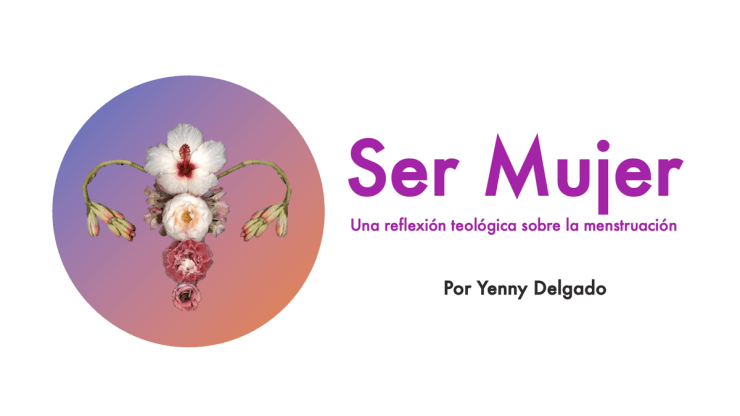
Ser Mujer: Una reflexión teológica sobre la menstruación

Las mujeres en todo el mundo continúan siendo estigmatizadas, excluidas y discriminadas simplemente por la falta de comprensión del ciclo natural del cuerpo de la mujer y la menstruación. Desafortunadamente, la menstruación todavía se considera un asunto privado. Esto se ha hecho aún más claro a la luz de la reciente escasez y aumento de precios de tampones y toallas sanitarias a causa de la inflación que se viene experimentando a nivel mundial. Sin embargo, como sociedad todavía hay gran tabú y silencio sobre el ciclo natural de vida que tenemos las mujeres. La idea de ver sangre se considera aún sucia, impura y dolorosa. ¿Por qué mantener este estigma sobre el ciclo menstrual de las mujeres?

Hablemos de nuestro ciclo de sangrado como sagrado, no como estigmatización

Compartimos con nuestras abuelas, madres e hijas un ciclo de sangrado que es parte natural de ser mujer. Tener una vagina, ovario, útero y trompas de Falopio nos preparan para ser co-creadoras de vida, ciclo que sostiene a la vida humana de generación a generación. El cuidado de nuestro cuerpo durante el ciclo menstrual es fundamental, no solo porque es parte vital de nuestra vida como mujeres, sino porque ello asegura una vida saludable de nuestros cuerpos. Aunque a menudo solo hablamos de nuestro ciclo menstrual cuando las niñas en la familia, alrededor de los 12 años, empiezan a menstruar, es importante compartir nuestras experiencias con mayor apertura y valentía entre nosotras. 

En las familias, las mujeres solemos compartir recetas de infusiones curativas en caso de dolor, y como controlar los cólicos. Recomendamos ciertas posiciones que nos ayudan a descansar durante los días del ciclo, así como cuales son los masajes que ayudan en la zona baja, en caso de mayores sangrados. Entre consejos y pláticas aprendemos que ser mujer trae consigo un ciclo de cuidado especial, privado, que puede durar entre cuatro a seis días durante el mes y que nos acompañará entre 37 a 42 años de nuestras vidas. Sin embargo, pensamientos patriarcales sobre el cuerpo de la mujer nos cierran las puertas a compartir con nuestros padres, hermanos, parejas o esposos lo que es un ciclo natural en la vida de las mujeres, un sentimiento de vergüenza y silencio nos apaña. En lugar de recibir un trato positivo en educar a los hombres sobre el ciclo biológico, las mujeres quedan relegadas a ver cómo solucionan su ciclo menstrual solas. 

Las mujeres como co-creadoras de vida

Desde que las mujeres comienzan su ciclo de menstruación se asume que será interrumpido por el milagro de la vida, durante la concepción. Aunque como veremos tendremos varios motivos y complicaciones que romperán este ciclo menstrual en nuestra vida saludable. Primero, hablemos del embarazo. En la concepción de una nueva vida, que se irá desarrollando en el útero, junto a los ovarios, estos asumirán una función de reproducción, dando paso a madurar, cuidar y albergar el embrión, alrededor de la semana 12 pasará a definirse a través de los cromosomas. Un bebé con cromosomas XY será considerado un niño sin capacidad para reproducirse o tener un ciclo menstrual. Un bebé con cromosomas XX completará el sistema reproductivo, con un útero, ovarios y tendrá a sus pocas semanas de vida seis a siete millones de óvulos. En este momento, la vida de la niña y la madre se relacionarán de manera íntima como mujeres co-creadoras de vida, un milagro y tarea que comparten las mujeres en el mundo.

Queda claro que las mujeres somos más que cabello largo, senos, caderas y vagina. Centrarse solo en la apariencia externa del cuerpo de la mujer reduce la comprensión de quiénes somos y cuál es nuestro papel decisivo en la sociedad como co-creadoras de vida. En tiempos donde los parámetros de género, con una construcción social reducida de cómo deben comportarse las mujeres, limita el rol de la mujer a parámetros jerárquicos, a la vez que se ridiculiza nuestra imagen de tal manera que corremos un riesgo enorme sobre nuestros derechos y nuestra situación en el mundo que puede llegar a ser hasta ambivalente, al punto de llegar a reducir a una mujer en quien piense o siente serlo, minimizando nuestra genética, cuerpo y nuestros ciclos vitales, a la invisibilidad. 

Una menstruación saludable

Podemos decir entonces que nuestro ciclo menstrual es ancestral desde nuestra creación y se repite en cada una de las mujeres que son co-creadoras de la humanidad. Como mujeres es necesario conocer que nuestro cuerpo lleva una parte interna maravillosa que en esta sociedad moderna ha buscado reducirla con el consumo de pastillas para el dolor y tampones sin considerar que el ciclo sanguíneo conlleva armonía y equilibrio en la vida de una mujer.

El ciclo menstrual sabio y regular trae también diferentes complicaciones. Los factores pueden ser diversos, resultado de nuestra edad, los antecedentes heredados en la familia, las alteraciones hormonales, las condiciones de nuestro útero y ovarios, cambian cada uno de estos en las diferentes etapas de nuestras vidas. Sea lo que pasemos cada una en nuestro ciclo menstrual, no debemos avergonzarnos, nuestros ovarios principalmente de manera natural buscan la armonía de nuestro cuerpo, produciendo hormonas llamadas estrógeno que su función principal es la maduración y cuidado de nuestro ciclo natural por lo que el sangrado vaginal irregular nos advierte de cuidados que necesitamos tener. La consulta médica en estos casos es necesaria, los pólipos endometriales, fibromas, infección del útero, embarazo ectópico, aborto espontáneo y cáncer de cuello uterino, entre otras complicaciones hacen que nuestros ciclos menstruales sean más dolorosos y necesiten de atención médica.

Muchas mujeres no tienen la economía para comprar mensualmente toallas sanitarias, tampones, o copas menstruales necesarias para la higiene y cuidado personal, menos aún muchas mujeres en el mundo no tienen para pagar atención médica por complicaciones referentes a su ciclo menstrual. En silencio, muchas mujeres mueren debido a la falta de comprensión y cuidado sobre nuestro útero, ovarios y la funcionalidad de nuestro sistema reproductivo.

El ciclo menstrual en la Biblia

Desde la perspectiva teológica, como iglesia, también hemos guardado silencio sobre la función corporal de la mujer. Las complicaciones que tiene cada mujer y como asumirlas se han quedado limitadas en texto punitivos. Como en Genesis 3: 16 “A la mujer le dijo: —Aumentaré tus dolores cuando tengas hijos, y con dolor los darás a luz. Pero tu deseo te llevará a tu marido, y él tendrá autoridad sobre ti” se expone que el dolor que pasa la mujer se debe al pecado original. En otro como en Lucas 8:43-48 podemos leer: “Estaba una mujer que padecía de hemorragia desde hacía doce años; y aunque había gastado todo lo que tenía en médicos, nadie podía curarla. Ella se acercó por detrás a Jesús y tocó el borde de su ropa, e inmediatamente dejó de sangrar”.

Centramos el dolor, de la menstruación, de la concepción y el parto, como un castigo, cuando estas también pueden entenderse como una falta de atención social y médica. El dolor de una mujer que sufre de hemorragia durante 12 años muestra una situación grave sobre su útero, ovarios, es decir su sistema reproductivo, y jamás debería ser entendido como un castigo. Se trata también de un contexto social de discriminación contra el cuerpo de la mujer. 

En esta historia de Lucas 8:43-48 no sabemos el nombre de la mujer, la edad u otras condiciones físicas que tiene esta mujer que sangraba por tantos años. Esta mujer nos muestra la valentía de acercarse y tocar el vestido de Jesús para sanarse. Confinada al anonimato, podemos asumir que su pérdida de sangre se debiera a una enfermedad en su útero u ovarios, que le generaría niveles bajos de hierro, anemia y fatiga profunda. El milagro de Jesús elimina el vilipendio social que la mujer había soportado debido a su persistente sangrado. En este acto, Jesús la devolvió a la sociedad con salud y valor. La mujer sale del encubrimiento y de la vergüenza por su estado físico, y de los estigmas de las complicaciones de un ciclo menstrual anormal, que necesitan atención. 

La Biblia nos dice a los y las lectoras de hoy en día, que los mismos desafíos físicos y la misma condición de desventaja por la falta de entendimiento en nuestro cuerpo y ciclo menstrual no son nuevos. La función biológica que trae ser mujer aún guarda tabús en muchas sociedades por lo que mientras que no asumamos una relación positiva y saludable con nuestro cuerpo, seguiremos perpetuando las limitaciones a las que las mujeres nos vemos sujetas en la sociedad como en la iglesia.

Si todas las mujeres nos unimos y hablamos abiertamente sobre nuestra menstruación, comenzaremos a canalizar una visión más empoderadora de nuestro cuerpo. Es necesario incidir en recursos, educación y atención médica accesible a todas las mujeres para garantizar que la menstruación sea saludable y libre de prejuicios.

Algunos pasos para reafirmar positivamente nuestro ciclo menstrual:

  • Abraza tu ciclo menstrual con amor y orgullo.
  • Reafirmar el ciclo menstrual como natural a la mujer que posibilita ser co-creadora de vida.
  • Comparte tus prácticas saludables con tus amigas y hermanas, compartiendo nuestras experiencias podremos cuidarnos mutuamente y reducir complicaciones futuras. 
  • Apoya iniciativas que brindan educación y prácticas de cuidado necesarias para romper el estigma y discriminación contra la menstruación.

Women’s Body

A Theological Reflection on Menstruation

Women worldwide continue to be stigmatized, excluded, and discriminated against simply because of the lack of understanding of women’s natural body cycle. Unfortunately, menstruation is still considered unspeakable in polite conversation or society in general. This has been made even more prescient in light of the recent shortages and price hikes for tampons and sanitary napkins here in the United States. Even though, as a society is still great hesitancy and silence with the idea of the monthly regulatory cycle of women because the idea of seeing blood is considered dirty, impure, and painful. Why keep a stigma on a natural women bodily function?

Let’s talk about bleeding as sacred, not stigmatization

Our grandmothers, mothers, and daughters share ancestral wisdom on caring for our bodies during a menstrual cycle. Still, we often only talk about it when girls start menstruating. We share recipes for healing infusions in case of pain, how nourishment and food can heal, and preparing infusions to have balance, rest, and massage the lower area in distress. However, in patriarchal societies, the stigma closes the doors to sharing with our fathers, brothers, and later partners and husbands out of this feeling of shame. Instead of being treated positively in educating men about the menstrual cycle, women and this biological process are relegated to see how they solve their menstruation cycle alone.

Women’s body has a natural women’s cycle that allows women to be co-creators of life to the new generations. Women start their menstruation cycle around age 12, some earlier, some later in life, and menstruate for around 37 to 43 years.

The cycle is interrupted for diverse motives; a big one is considered a miracle to conceive the beginning of a new life. Pregnancy is the conception of a new life in development. It means new life for the next generation. The embryo, around week 12, is defined with chromosomes. A baby with XY chromosomes will be considered a male with no ability to reproduce or have a menstrual cycle. A baby with chromosomes XX will complete the developed reproductive system, with the uterus and ovaries with six to seven million eggs that develop around week 20 in the womb. At this moment, the life of a baby girl and the mother relate to the miracle of continued humanity.

Women are more than long hair, breasts, hips, and vagina. Focusing on only the external appearance of women’s bodies reduces the understanding of who women are and our decisive role in society as a co-creator of life. Women face possible bleeding risks due to their physical well-being, depending on the different stages of their lives. We should not be embarrassed about what happens to us each menstrual cycle. Abnormal vaginal bleeding has several causes, including endometrial polyps, fibroids, uterus infection, abortion, ectopic pregnancy, miscarriage, and cervical cancer, among other complications. All these ills are specific to women, and we are often unaware of all possible medical conditions.

Millennials of the ancestral menstrual cycle are reduced to using pills and tampons without considering that the blood cycle carries harmony and balance in a woman’s life. In the middle of this natural process of life, women struggle to be behind and punished. Many women do not have the economy to buy monthly pads or pay medical attention if needed.In silence, many women die because of complications and a lack of understanding about our uterus, ovaries, and women’s functionality reproductive system.

From a theological perspective, as a church, we have also been silent on the bodily function of women. The complications each woman has and how to assume them have been limited primarily to punitive text. We read in Genesis 3: 16, “To the woman he said: —I will increase your pains when you have children, and with pain, you will give birth to them. But your desire will take you to your husband, and he will have authority over you.” The curse states that the pain experienced by the woman is due to original sin. However, Jesus and his healing found in Luke 8:43-48 helps to bring menstruation and bleeding out of the shadows.  We read: “There was a woman who had suffered from a hemorrhage for twelve years; and although she had spent all she had on doctors, no one could cure her. She came up behind Jesus and touched the edge of his clothes, and immediately the bleeding stopped.”

We focus on menstruation pain, pregnancy, and childbirth as a punishment women experience when both can also be read as a lack of social understanding and medical care. The pain of a woman suffering from bleeding for 12 years shows a difficult situation in her uterus and ovaries; her reproductive system needs attention and health and should never be seen as a punishment. It is also a social context of discrimination against women’s bodies.

In this story of Luke, we do not know the woman’s name, age, or other physical conditions of this woman who bled for so many years. Confined to anonymity, we can assume that her blood loss was due to a disease in her uterus or her ovaries, which caused low levels of iron, leading to a lack of iron, anemia, and profound fatigue. Jesus’ miracle removes the social vilification the woman had endured because of her persistent bleeding. This woman shows us the courage to reach out and touch Jesus’ dress to be healed. In this act, Jesus returned her to society with health and courage. The woman comes out of the cover-up and the shame for her physical condition stigmas of complications to a menstruation cycle that needs attention.

Still today, women face various situations due to their condition of being a woman. However, we do not fully understand or embrace our body’s biological function, which is essential to assume a positive and healthy relationship with our body. It is necessary to create a process of support and teach the next generations about what are women’s bodies and women’s cycle are very important to care.

I believe if all women unite and speak openly about our menstruation cycle, we will start channeling a more empowering view of women’s bodies. It is time to speak up and provide resources, education, and accessible medical attention to all women to ensure that menstruation can be a healthy and safe part of our life.

Here are some steps to move forward on reaffirming positivity in women’s cycle:

– Embrace your menstrual cycle with love and pride.
– Reaffirm women’s natural cycle as a women’s power of life.
– Talk about menstruation in your cycles of friends to promote ending the stigma and discrimination.
– Share your healthy practices with other women and girls.
– Donate and support initiatives to provide education about menstruation and care practices.

Native Peoples’ Day

We honor the past, present, and future of native peoples in Abya Yala

How often have we stopped to examine and marvel at the greatness of architecture, agriculture, and spiritualities practices in Abya Yala* before the “encounter”?

The bountiful nature of Abya Yala allows us, native peoples, to live in harmony with the extensive rivers, high mountains, beautiful deserts, enormous sequoias, and sprawling jungles. In the middle of this paradise, we learned to live in community, cultivate the land, and give thanks to the sun, moon, and rain for being part of the creation for thousands of years.

A millenary history of cosmovision and traditional practices were abruptly and brutally upended by the arrival of European colonizers over 530 years ago. This “encounter” was a ruthless, oppressive colonial regime that changed our ancestors’ way of life. The colonization process with the face of “salvation” and “civilization” would appear in the stories and memories of the original peoples as constant pain and as a cross to bear.

In the eyes of the European colonizers, our identities, languages, and spiritual practices needed to change, as we were seen as “uncivilized.” They forced assimilations into their languages (English, Spanish, Portuguese, and French) and standardized forms of worship of God as they brought European Christianity as a formula of salvation. For native populations, adapting and assimilating were the only way to survive. At the same time, colonizers confiscated the land, enslaving native peoples to work in mining and cultivating the land ( for cotton, sugar, and cacao, among other export crops) so that European kingdoms could prosper. The original people were pushed to the peripheries of knowledge, without voice, and into the shadows of history.

Today, 530 years later, amid the magical realism of encounters of cultures about this date, we are encouraged by controlled history books and history classes to forget the true story of this genocide. Though it is painful, we need to recognize that being here is an act of courage and resistance during slavery, genocide, and the forced process of assimilation to which the native peoples have been subjected for centuries. We still suffer the consequences of these centuries of trauma and pain. A deep look at our roots, identities, and ancestral memories is so far questioned.

In the way of decolonization and liberation today, we remember and thank our grandmothers and grandfathers for keeping our history and ancestral memory alive. For the new generations, this is our most incredible legacy and heritage. We have a sacred task and an opportunity to honor our people’s past, present, and future. Our cultures, languages, and ancestral spiritualities must be recognized on this date.

*Abya Yala comes from the Guna language and means “land in full maturity and land of vital blood.” The Guna people inhabit the meeting points of the north and south geographically, and the use of their language symbolically represents the connectivity of the lands. In the 1970s, the term Abya Yala was adopted by many native activists, farmers, historians, politicians, and theologians as the unified name instead of using North America (primarily English speakers) and Latin America (predominantly Spanish and Portuguese speakers), which perpetuate colonial divisions.

___________

Yenny Delgado

She is a doctoral candidate in the Psychology of Religion at the University of Lausanne (Switzerland). Yenny has a master’s degree in Public Theology (United States) and a master’s degree in International Cooperation (Spain). Degree in Psychology (Peru) and Degree in Theology (UBL, Costa Rica). She has worked with social movements, local churches, and regional governments to promote equity and inclusive education in Abya Yala. Founder and Director of PUBLICA. Ruling Elder in the PCUSA. Convener of Women Doing Theology in Abya Yala.

Trauma in Abya Yala: Consequences of Colonization and White Supremacy

Trauma is a loaded word and scary simultaneously because it obscures pains from the past that we wish to forget. However, despite our efforts to forget and move on, history continues to follow us in our lived experiences. How people interact and deal with trauma is unique for each person. Our bodies and psyches reveal who we are, and our behavior shows our deep wounds. When these wounds are systemic across entire groups of people due to discrimination, police brutality, and racism, it is necessary to deal with the trauma and its triggers on both personal and communal levels. Coming to grips with this type of trauma is to sit with the past and mentally reflect and exercise these painful memories for healing, liberation, and ultimately dismantling colonialism, racism, sexism, and other -ism that separate and divide us. 

From the research work of Heijmans published in the Proceedings of the National Academy of Science, it has been shown that traumatic events from famine to war can lead to lasting effects on the epigenome. Essentially the impact of past trauma continues in our DNA and can be manifested in future generations. 

Trauma specialist Resmaa Menakem, a somatic abolitionist, notes that “trauma responses are never reasonable. They are protective and reflexive.” These responses take energy and power away from more constructive pursuits personally and communally; finding pathways to healing is critical for an improved existence. Healing begins by finding the roots of these traumas and seeking to understand and process – them instead of burying them away from the past.

For originals people on Abya Yala*, our collective trauma of being disposed of our land and our ancestors systematically raped, abused, and enslaved still lingers. The loss of culture, identity, and language cause trauma to this day, further heightened by the misappropriation of imagery and names in racist tropes and mascots. From a theological perspective, the pain of being considered “animals” and “Indians without souls” by the Christian Church is still present. How can we process our generational trauma when European descendants in America do not see the native people as part of society? 

The challenge faced in the country with white supremacy ideology rules and attacks on African Americans has a long history of brutal violence. Still, today, as people of color, we demand, as individuals and collectively, to embrace opportunities to remember the suffering and heal the country of all its crimes.

How can we make the pathway to healing our hearts and bodies that suffer discrimination, abuse, and oppression?

Dismantling racism is a step toward seeking healing, although it is a painful process. It is not easy to handle those emotions that come from the inner depths of our being. We develop resilience by learning and nature, which we can use to build and strengthen to confront our pain and past traumas. To achieve this healing, we must begin to speak more freely about them. For those who have suffered centuries of oppression, colonization, slavery, rape, abuse, and other inhume treatment from white supremacy ideologies, it is not easy to leave, but we can transform the rage and pain into societal changes. Moreover, our body also has that capacity; it is a connection between body and mind that leads us to develop new abilities, especially survivorship. On a communal level, there is a need for a broader society to listen, accept and respond to individuals that their ancestors may have harmed.

We start this process by first allowing ourselves empathy, grace, and freedom to go to our inner selves and acknowledge our fears and our stories. Second in the process is reconnecting with our ancestors, grandmothers, and elders. We must listen to their stories, which is our story, so we can better understand the present. By naming our pain and trauma, we become more robust. Knowing and embracing our family histories will lead us to understand the painful scars on our psyche, and that past becomes part of the physical marks that we carry on our bodies. Somehow, we are the product of colonization so unequal and so brutal that our sheer existence is an example of life and hope. Healing is not easy. 

For the Christian message for healing – salvation is not an abstract concept; it is a state of being with deliverance. Dismantling racism is an invitation to consider God amid challenging history and difficult conversations. Let us begin this journey towards healing together, knowing that our faith will lead us to recover. 

It is perhaps risky to affirm that the native population in Abya Yala suffers trauma, but the consequence of experiencing white supremacy is indisputable; our bodies and mind have been affected by colonization.

Our personal experiences reflect our personal stories. Remember that we cannot see that an ideology was created when colonization happened; our collective imagination is not only a single story but an intergenerational history that still affects our bodies and our existence. 

The Constitution of the United States is an example of how white supremacy works. In article one, people of African descent were considered 2/3rds of a person. This is an example of how this ideology regulates political rules and later permits discrimination behaviors against individuals to create a collection that allows them to live like that.

Each of us will find different experiences depending on what part of the land we are coming from, but often the common ground is the same. Original peoples constantly find ourselves excluded, in constant dispossession of the land. These messages have penetrated deeply, and these are our own experiences. 

When someone speaks about black and brown lives matter in the United States, they are speaking of real lives, our own lives full of color. This is an obvious statement but too often forgotten truth. Our lives are in the routes that arrived at a moment in colonial history and the routes of the original people of Abya Yala. For that reason, we must talk more; specifically, we must provide examples and make the pain and trauma visible.

The original peoples continue to resist the supremacist messages perpetuated for centuries. 

At this moment in history, we enter and locate ourselves in the present but with a profound recognition of centuries. We encounter the territories of our body, and it is here where the body and mind react and reacts in a way that perpetuates wounds. We will always have this connection, colonization, privatized and divided with pain. 

The word trauma comes from the Greek, which means “to hurt,” ours is a structure that hurts us and terrifies us simultaneously and perpetuates painful experiences. Discrimination, and rejection, are added to our senses, our very beings. For women, our sex finds ourselves in this doubly violent situation and this trauma, having different reactions in our bodies. 

As we can read in the Bible, trauma or “curse” is passed from generation to generation. We often share with our mothers, grandmothers, and fathers, and grandparents’ bodies pain, passed from generation to generation, caused by manifestations of trauma and pain. Still, it is also genetic that our DNA carries its entire history of trauma, that main story of survival and suffering, so let us bear in mind that we must assume a position of accepting or knowing our traumas. This is the only way we will survive.

To be able to give life from our bodies is fabulous. Women teach us how to bring about and share new life. Their bodies show us how to fight back against ancestral pain by living. Our survival depends on creating a life beyond the pain of the past. 

To become free of trauma and pain and reach liberation, we can see the suffering, violence, and pain many carries inside. We need to break up the silence; it is necessary to be accompanied by others. Still, when you go from generation to generation, we have to start; they are not about living in survival; we do not have, we survive every moment. We must begin to break and let it fall to heal this generation and all future generations.

________

*Abya Yala comes from the Guna language and means “land in full maturity and land of vital blood.” The Guna people inhabit the meeting points of the north and south geographically, and the use of their language symbolically represents the connectivity of the lands. In the 1970s, the term Abya Yala was adopted by many native activists, farmers, historians, politicians, and theologians as the unified name instead of using North America (primarily English speakers) and Latin America (mainly Spanish and Portuguese speakers), that perpetuate colonial divisions.

Mensaje a la Iglesia Presbiteriana de los Estados Unidos 

Por Yenny Delgado

A la Iglesia Presbiteriana de los Estados Unidos*, la Asamblea General y el comité coordinador, ofrezco mi más sincero agradecimiento por esta oportunidad de compartir, adorar y reflexionar juntos. Está en mis oraciones que este mensaje nos ayude a crecer y continuar nuestro camino para ser la iglesia que estamos llamados a ser.

Al crecer, nunca hubiera imaginado que estaría dando este mensaje en la 225 asamblea general. Crecí en una comunidad donde las familias luchaban por comida, seguridad y vivienda. Muchos de mis vecinos eran inmigrantes de los Andes a la ciudad, extraños en su propio país, algunos sufrian de enfermedades y luchaban por acceder a los servicios medicos y pagar los medicamentos esenciales.

Mi familia también migró en busca de mejores oportunidades. Mi abuela dejó su pueblo natal entre las montañas hacia el Amazonas donde trabajó la tierra como agricultora. Mis padres se fueron del campo a la gran ciudad para completar su educación. Mas tarde yo  viajaría desde Lima, la capital de Perú a Costa Rica para estudiar teología y luego a los Estados Unidos donde sería  miembro de la iglesia presbiteriana y anciano gobernante durante 12 años. Tres generaciones de mi familia hemos migrado hacia en diferentes lugares, miles de kilómetros del este a oeste y luego de sur a norte. El desplazamiento a menudo ha hecho que sea difícil encontrar un lugar al que llamar hogar. Sin embargo, uno de los recuerdos que ha perdurado a través de las generaciones ha sido el ser parte de las comunidades cristianas dondequiera que estuvimos, porque estas comunidades nos ayudaron a  sentirnos como en casa.

A pesar de las dificultades, crecí en una familia que tenía fe en Dios, trabajaba duro y vivía en solidaridad. Estas fueron las claves esenciales para vivir con esperanza en medio de tiempos difíciles. De hecho, la Biblia fue el fundamento de la fe de mi abuela. Mi abuela asistía a la iglesia en su pueblo en los Andes, y fue allí a la edad de 30 años que aprendió a leer la Biblia. Como parte de la población originaria y con muy deficiente acceso a la educación, la iglesia fue uno de los pocos lugares donde fue acogida y animada a aprender, esta era su amada comunidad. De la misma manera décadas después cuando me mudé a los Estados Unidos, como nueva inmigrante, encontré una comunidad de fe y aprendí a leer y escribir en inglés. Todos los días, leía un pasaje de mi Biblia en inglés y en español lo cual me ayudó a desarrollar una comprensión no solo del idioma, sino también a escuchar el mensaje de Dios de nuevo.

Mientras tanto, más de una década después, aquí estoy, como mi abuela y mis padres, siendo parte de una comunidad de fe, mi familia extendida y un grupo de creyentes reunidos para escuchar el mensaje de Dios.

Uno de mis pasajes favoritos de la Biblia proviene del Evangelio de Lucas. Este texto siempre ha sido importante para mí, y me gustaría que hoy reflexionemos sobre él unos momentos. Leamos Lucas 4: 18-21 donde Jesús publicamente comienza su ministerio.

“El Espíritu del Señor está sobre mí, porque se ha fijado en mí para anunciar buenas nuevas a los pobres. Me ha enviado a proclamar libertad a los cautivos y dar vista a los ciegos, a poner en libertad a los oprimidos, a proclamar el año del favor del Señor”. Luego enrolló el rollo, se lo devolvió al asistente y se sentó. Los ojos de todos en la sinagoga estaban fijos en él. Comenzó diciéndoles: “Hoy se cumple esta escritura en presencia de ustedes”.

Jesús estaba leyendo Isaías 61:1-2, un pasaje profético. Me imagino cómo se sintió Jesús leyendo este pasaje y compartiendo su identidad con los asistentes. Estoy segura de que algunos en la multitud escucharon ese mismo pasaje muchas veces antes, y tal vez ni siquiera se dieron cuenta de que Jesús estaba entre ellos.

¡Qué mensaje para todo el pueblo! Y estoy seguro de que había un montón de preguntas:

¿No es este el hijo del carpintero?

¿Está realmente leyendo este pasaje?

¿No es ese el hijo de José que nació en Belén y se escapó y emigró a Egipto?

¿Realmente trae buenas noticias a los pobres?

Cuando leemos esta Escritura, ¿qué pensamos? ¿Quiénes somos en esta historia? ¿Estamos proclamando las buenas noticias, las estamos recibiendo, o somos aquellos en la multitud que simplemente preguntamos de qué está hablando este hombre Jesús?

¿Cómo podemos nosotros, la iglesia, recibir este mensaje durante esta 225 Asamblea General?

Somos una iglesia que poco a poco va reabriendo sus puertas después de más de dos años de pandemia. Una iglesia que lentamente comienza a pensar en su legado histórico y su papel en la opresión. En efecto, somos una comunidad de fe que se encuentra en un momento de decisión.

Quizás hemos olvidado que muchas veces también somos también ciegos, pobres y prisioneros. Y sí, este es un desafío para muchos de nosotros. Porque esta tierra tiene un pasado doloroso de cautiverio, discriminación y falta de visión para enfrentar los problemas sociales.

¿Cómo podemos navegar este pasaje con todo el peso de la historia?

Mucha gente entiende la iglesia desde el concepto de comunidad. Un grupo de creyentes con un corazón compuesto de fe que abraza todo el mensaje de Jesús de liberación, diversidad, predica las buenas nuevas de Dios, y tiene amor, compasión y se preocupa por las personas necesitadas. Sin embargo, la historia de la iglesia nos muestra que ha habido una lucha continua por ser esa comunidad que practica las buenas nuevas de Dios.

Sabemos que no es fácil ser una iglesia de Dios abierta, ecuménica y diversa en los Estados Unidos.

¿Cómo estamos viviendo los llamados de Dios para servir a los pobres, migrantes y refugiados y dar la bienvenida al “otro” en nuestra comunidad? ¿Cómo podemos predicar una fe arraigada en la liberación sin practicarla en nuestra comunidad?

Nuestra denominación, como muchas otras, está luchando con la larga historia de prácticas excluyentes o simplemente descuidando los problemas sociales a medida que buscamos una mayor diversidad dentro de nuestra comunidad. O, a veces, llegar a ser tan legalista en su alcance que olvidamos el corazón de la compasión en el trabajo que nos proponemos hacer.

Nuestro conocimiento teológico lucha por mantener una reflexión honesta; se manipula el pensamiento a Dios, se reduce la vida de nuestra comunidad activa, se limitan nuestros pensamientos y se eligen nuestras acciones. Cuando una comunidad se reduce a una sola minoría/mayoría étnica, todo lo que entendemos de Dios está en riesgo. La iglesia a menudo encuentra consuelo en sus tradiciones. Desafortunadamente, esto conduce al aislamiento de una sociedad más diversa en esta lucha.

Aquí está nuestra llamada de hoy. La iglesia está tratando de entender lo que significa ser una comunidad real en este día y tiempo. Para hacer la transición a un lugar mejor, debemos reconocer nuestros fracasos. A través de un proceso de honesta reflexión y arrepentimiento podemos comenzar el proceso. El lamento nos ayuda a expresar el dolor por el pasado y nos permite ver el futuro con esperanza.

La iglesia en los Estados Unidos tiene mucho que ofrecer. Nuestra experiencia y reflexiones teológicas pueden ayudarnos a abrir la puerta para movernos a un lugar mejor como comunidad, un lugar de sanación, aceptación, crecimiento y liberación. Si leemos con atención, Jesús también nos está hablando a nosotros, su iglesia. En lugar de imaginarnos a nosotros mismos como los proclamadores, debemos ver que somos nosotros los que necesitamos libertad.

La iglesia de Dios debe escuchar y recibir este mensaje. Hoy nuestra iglesia recibió estas palabras y las creyó. Hoy abrazamos al Espíritu que está sobre nosotros y nos guía para dejar atrás las prácticas discriminatorias del pasado al reconocer nuestra lucha por acoger al otro. Como iglesia de Dios, podemos ser liberados para evolucionar hacia una comunidad de fe que acoge al Espíritu.

Como mi abuela encontró en su iglesia local una comunidad amada donde aprendió a leer y recibió la libertad bajo la historia colonial de exclusión de la población originaria. Hoy también podemos recibir la libertad de un pasado discriminatorio y abrazar prácticas inclusivas.

Seamos hoy, en los Estados Unidos, una iglesia que aprende, practica y enseña la reflexión y la sanación.

-Seamos una iglesia que responde al mensaje de Jesús.

-Construyamos una comunidad multiétnica con diferentes memorias ancestrales, idiomas y prácticas espirituales diversas.

Juntos, podemos unirnos para decir: “Hoy, esta escritura se cumple en tu iglesia”.

Mis hermanos y hermanas, que la paz de Dios los guarde y los guíe.

Que unamos nuestras manos para responder y ser una comunidad de fe inclusiva.

* Mensaje a la Iglesia Presbiteriana de los Estados Unidos en su Asamblea General 225 ( Sermon del 5 de Julio, 2022)