Native Peoples’ Day

We honor the past, present, and future of native peoples in Abya Yala

How often have we stopped to examine and marvel at the greatness of architecture, agriculture, and spiritualities practices in Abya Yala* before the “encounter”?

The bountiful nature of Abya Yala allows us, native peoples, to live in harmony with the extensive rivers, high mountains, beautiful deserts, enormous sequoias, and sprawling jungles. In the middle of this paradise, we learned to live in community, cultivate the land, and give thanks to the sun, moon, and rain for being part of the creation for thousands of years.

A millenary history of cosmovision and traditional practices were abruptly and brutally upended by the arrival of European colonizers over 530 years ago. This “encounter” was a ruthless, oppressive colonial regime that changed our ancestors’ way of life. The colonization process with the face of “salvation” and “civilization” would appear in the stories and memories of the original peoples as constant pain and as a cross to bear.

In the eyes of the European colonizers, our identities, languages, and spiritual practices needed to change, as we were seen as “uncivilized.” They forced assimilations into their languages (English, Spanish, Portuguese, and French) and standardized forms of worship of God as they brought European Christianity as a formula of salvation. For native populations, adapting and assimilating were the only way to survive. At the same time, colonizers confiscated the land, enslaving native peoples to work in mining and cultivating the land ( for cotton, sugar, and cacao, among other export crops) so that European kingdoms could prosper. The original people were pushed to the peripheries of knowledge, without voice, and into the shadows of history.

Today, 530 years later, amid the magical realism of encounters of cultures about this date, we are encouraged by controlled history books and history classes to forget the true story of this genocide. Though it is painful, we need to recognize that being here is an act of courage and resistance during slavery, genocide, and the forced process of assimilation to which the native peoples have been subjected for centuries. We still suffer the consequences of these centuries of trauma and pain. A deep look at our roots, identities, and ancestral memories is so far questioned.

In the way of decolonization and liberation today, we remember and thank our grandmothers and grandfathers for keeping our history and ancestral memory alive. For the new generations, this is our most incredible legacy and heritage. We have a sacred task and an opportunity to honor our people’s past, present, and future. Our cultures, languages, and ancestral spiritualities must be recognized on this date.

*Abya Yala comes from the Guna language and means “land in full maturity and land of vital blood.” The Guna people inhabit the meeting points of the north and south geographically, and the use of their language symbolically represents the connectivity of the lands. In the 1970s, the term Abya Yala was adopted by many native activists, farmers, historians, politicians, and theologians as the unified name instead of using North America (primarily English speakers) and Latin America (predominantly Spanish and Portuguese speakers), which perpetuate colonial divisions.

___________

Yenny Delgado

She is a doctoral candidate in the Psychology of Religion at the University of Lausanne (Switzerland). Yenny has a master’s degree in Public Theology (United States) and a master’s degree in International Cooperation (Spain). Degree in Psychology (Peru) and Degree in Theology (UBL, Costa Rica). She has worked with social movements, local churches, and regional governments to promote equity and inclusive education in Abya Yala. Founder and Director of PUBLICA. Ruling Elder in the PCUSA. Convener of Women Doing Theology in Abya Yala.

Trauma in Abya Yala: Consequences of Colonization and White Supremacy

Trauma is a loaded word and scary simultaneously because it obscures pains from the past that we wish to forget. However, despite our efforts to forget and move on, history continues to follow us in our lived experiences. How people interact and deal with trauma is unique for each person. Our bodies and psyches reveal who we are, and our behavior shows our deep wounds. When these wounds are systemic across entire groups of people due to discrimination, police brutality, and racism, it is necessary to deal with the trauma and its triggers on both personal and communal levels. Coming to grips with this type of trauma is to sit with the past and mentally reflect and exercise these painful memories for healing, liberation, and ultimately dismantling colonialism, racism, sexism, and other -ism that separate and divide us. 

From the research work of Heijmans published in the Proceedings of the National Academy of Science, it has been shown that traumatic events from famine to war can lead to lasting effects on the epigenome. Essentially the impact of past trauma continues in our DNA and can be manifested in future generations. 

Trauma specialist Resmaa Menakem, a somatic abolitionist, notes that “trauma responses are never reasonable. They are protective and reflexive.” These responses take energy and power away from more constructive pursuits personally and communally; finding pathways to healing is critical for an improved existence. Healing begins by finding the roots of these traumas and seeking to understand and process – them instead of burying them away from the past.

For originals people on Abya Yala*, our collective trauma of being disposed of our land and our ancestors systematically raped, abused, and enslaved still lingers. The loss of culture, identity, and language cause trauma to this day, further heightened by the misappropriation of imagery and names in racist tropes and mascots. From a theological perspective, the pain of being considered “animals” and “Indians without souls” by the Christian Church is still present. How can we process our generational trauma when European descendants in America do not see the native people as part of society? 

The challenge faced in the country with white supremacy ideology rules and attacks on African Americans has a long history of brutal violence. Still, today, as people of color, we demand, as individuals and collectively, to embrace opportunities to remember the suffering and heal the country of all its crimes.

How can we make the pathway to healing our hearts and bodies that suffer discrimination, abuse, and oppression?

Dismantling racism is a step toward seeking healing, although it is a painful process. It is not easy to handle those emotions that come from the inner depths of our being. We develop resilience by learning and nature, which we can use to build and strengthen to confront our pain and past traumas. To achieve this healing, we must begin to speak more freely about them. For those who have suffered centuries of oppression, colonization, slavery, rape, abuse, and other inhume treatment from white supremacy ideologies, it is not easy to leave, but we can transform the rage and pain into societal changes. Moreover, our body also has that capacity; it is a connection between body and mind that leads us to develop new abilities, especially survivorship. On a communal level, there is a need for a broader society to listen, accept and respond to individuals that their ancestors may have harmed.

We start this process by first allowing ourselves empathy, grace, and freedom to go to our inner selves and acknowledge our fears and our stories. Second in the process is reconnecting with our ancestors, grandmothers, and elders. We must listen to their stories, which is our story, so we can better understand the present. By naming our pain and trauma, we become more robust. Knowing and embracing our family histories will lead us to understand the painful scars on our psyche, and that past becomes part of the physical marks that we carry on our bodies. Somehow, we are the product of colonization so unequal and so brutal that our sheer existence is an example of life and hope. Healing is not easy. 

For the Christian message for healing – salvation is not an abstract concept; it is a state of being with deliverance. Dismantling racism is an invitation to consider God amid challenging history and difficult conversations. Let us begin this journey towards healing together, knowing that our faith will lead us to recover. 

It is perhaps risky to affirm that the native population in Abya Yala suffers trauma, but the consequence of experiencing white supremacy is indisputable; our bodies and mind have been affected by colonization.

Our personal experiences reflect our personal stories. Remember that we cannot see that an ideology was created when colonization happened; our collective imagination is not only a single story but an intergenerational history that still affects our bodies and our existence. 

The Constitution of the United States is an example of how white supremacy works. In article one, people of African descent were considered 2/3rds of a person. This is an example of how this ideology regulates political rules and later permits discrimination behaviors against individuals to create a collection that allows them to live like that.

Each of us will find different experiences depending on what part of the land we are coming from, but often the common ground is the same. Original peoples constantly find ourselves excluded, in constant dispossession of the land. These messages have penetrated deeply, and these are our own experiences. 

When someone speaks about black and brown lives matter in the United States, they are speaking of real lives, our own lives full of color. This is an obvious statement but too often forgotten truth. Our lives are in the routes that arrived at a moment in colonial history and the routes of the original people of Abya Yala. For that reason, we must talk more; specifically, we must provide examples and make the pain and trauma visible.

The original peoples continue to resist the supremacist messages perpetuated for centuries. 

At this moment in history, we enter and locate ourselves in the present but with a profound recognition of centuries. We encounter the territories of our body, and it is here where the body and mind react and reacts in a way that perpetuates wounds. We will always have this connection, colonization, privatized and divided with pain. 

The word trauma comes from the Greek, which means “to hurt,” ours is a structure that hurts us and terrifies us simultaneously and perpetuates painful experiences. Discrimination, and rejection, are added to our senses, our very beings. For women, our sex finds ourselves in this doubly violent situation and this trauma, having different reactions in our bodies. 

As we can read in the Bible, trauma or “curse” is passed from generation to generation. We often share with our mothers, grandmothers, and fathers, and grandparents’ bodies pain, passed from generation to generation, caused by manifestations of trauma and pain. Still, it is also genetic that our DNA carries its entire history of trauma, that main story of survival and suffering, so let us bear in mind that we must assume a position of accepting or knowing our traumas. This is the only way we will survive.

To be able to give life from our bodies is fabulous. Women teach us how to bring about and share new life. Their bodies show us how to fight back against ancestral pain by living. Our survival depends on creating a life beyond the pain of the past. 

To become free of trauma and pain and reach liberation, we can see the suffering, violence, and pain many carries inside. We need to break up the silence; it is necessary to be accompanied by others. Still, when you go from generation to generation, we have to start; they are not about living in survival; we do not have, we survive every moment. We must begin to break and let it fall to heal this generation and all future generations.

________

*Abya Yala comes from the Guna language and means “land in full maturity and land of vital blood.” The Guna people inhabit the meeting points of the north and south geographically, and the use of their language symbolically represents the connectivity of the lands. In the 1970s, the term Abya Yala was adopted by many native activists, farmers, historians, politicians, and theologians as the unified name instead of using North America (primarily English speakers) and Latin America (mainly Spanish and Portuguese speakers), that perpetuate colonial divisions.

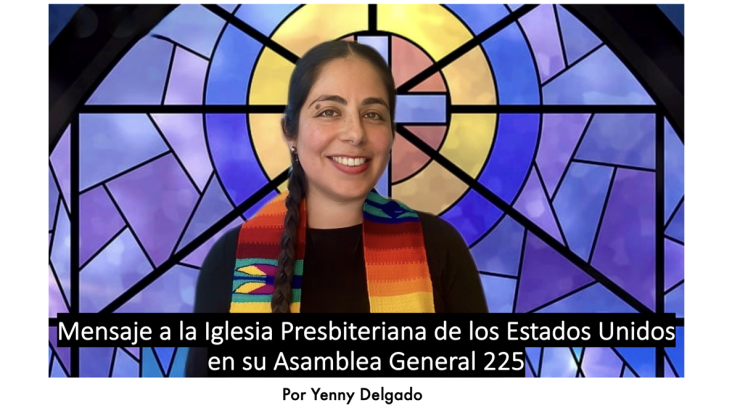
Mensaje a la Iglesia Presbiteriana de los Estados Unidos 

Por Yenny Delgado

A la Iglesia Presbiteriana de los Estados Unidos*, la Asamblea General y el comité coordinador, ofrezco mi más sincero agradecimiento por esta oportunidad de compartir, adorar y reflexionar juntos. Está en mis oraciones que este mensaje nos ayude a crecer y continuar nuestro camino para ser la iglesia que estamos llamados a ser.

Al crecer, nunca hubiera imaginado que estaría dando este mensaje en la 225 asamblea general. Crecí en una comunidad donde las familias luchaban por comida, seguridad y vivienda. Muchos de mis vecinos eran inmigrantes de los Andes a la ciudad, extraños en su propio país, algunos sufrian de enfermedades y luchaban por acceder a los servicios medicos y pagar los medicamentos esenciales.

Mi familia también migró en busca de mejores oportunidades. Mi abuela dejó su pueblo natal entre las montañas hacia el Amazonas donde trabajó la tierra como agricultora. Mis padres se fueron del campo a la gran ciudad para completar su educación. Mas tarde yo  viajaría desde Lima, la capital de Perú a Costa Rica para estudiar teología y luego a los Estados Unidos donde sería  miembro de la iglesia presbiteriana y anciano gobernante durante 12 años. Tres generaciones de mi familia hemos migrado hacia en diferentes lugares, miles de kilómetros del este a oeste y luego de sur a norte. El desplazamiento a menudo ha hecho que sea difícil encontrar un lugar al que llamar hogar. Sin embargo, uno de los recuerdos que ha perdurado a través de las generaciones ha sido el ser parte de las comunidades cristianas dondequiera que estuvimos, porque estas comunidades nos ayudaron a  sentirnos como en casa.

A pesar de las dificultades, crecí en una familia que tenía fe en Dios, trabajaba duro y vivía en solidaridad. Estas fueron las claves esenciales para vivir con esperanza en medio de tiempos difíciles. De hecho, la Biblia fue el fundamento de la fe de mi abuela. Mi abuela asistía a la iglesia en su pueblo en los Andes, y fue allí a la edad de 30 años que aprendió a leer la Biblia. Como parte de la población originaria y con muy deficiente acceso a la educación, la iglesia fue uno de los pocos lugares donde fue acogida y animada a aprender, esta era su amada comunidad. De la misma manera décadas después cuando me mudé a los Estados Unidos, como nueva inmigrante, encontré una comunidad de fe y aprendí a leer y escribir en inglés. Todos los días, leía un pasaje de mi Biblia en inglés y en español lo cual me ayudó a desarrollar una comprensión no solo del idioma, sino también a escuchar el mensaje de Dios de nuevo.

Mientras tanto, más de una década después, aquí estoy, como mi abuela y mis padres, siendo parte de una comunidad de fe, mi familia extendida y un grupo de creyentes reunidos para escuchar el mensaje de Dios.

Uno de mis pasajes favoritos de la Biblia proviene del Evangelio de Lucas. Este texto siempre ha sido importante para mí, y me gustaría que hoy reflexionemos sobre él unos momentos. Leamos Lucas 4: 18-21 donde Jesús publicamente comienza su ministerio.

“El Espíritu del Señor está sobre mí, porque se ha fijado en mí para anunciar buenas nuevas a los pobres. Me ha enviado a proclamar libertad a los cautivos y dar vista a los ciegos, a poner en libertad a los oprimidos, a proclamar el año del favor del Señor”. Luego enrolló el rollo, se lo devolvió al asistente y se sentó. Los ojos de todos en la sinagoga estaban fijos en él. Comenzó diciéndoles: “Hoy se cumple esta escritura en presencia de ustedes”.

Jesús estaba leyendo Isaías 61:1-2, un pasaje profético. Me imagino cómo se sintió Jesús leyendo este pasaje y compartiendo su identidad con los asistentes. Estoy segura de que algunos en la multitud escucharon ese mismo pasaje muchas veces antes, y tal vez ni siquiera se dieron cuenta de que Jesús estaba entre ellos.

¡Qué mensaje para todo el pueblo! Y estoy seguro de que había un montón de preguntas:

¿No es este el hijo del carpintero?

¿Está realmente leyendo este pasaje?

¿No es ese el hijo de José que nació en Belén y se escapó y emigró a Egipto?

¿Realmente trae buenas noticias a los pobres?

Cuando leemos esta Escritura, ¿qué pensamos? ¿Quiénes somos en esta historia? ¿Estamos proclamando las buenas noticias, las estamos recibiendo, o somos aquellos en la multitud que simplemente preguntamos de qué está hablando este hombre Jesús?

¿Cómo podemos nosotros, la iglesia, recibir este mensaje durante esta 225 Asamblea General?

Somos una iglesia que poco a poco va reabriendo sus puertas después de más de dos años de pandemia. Una iglesia que lentamente comienza a pensar en su legado histórico y su papel en la opresión. En efecto, somos una comunidad de fe que se encuentra en un momento de decisión.

Quizás hemos olvidado que muchas veces también somos también ciegos, pobres y prisioneros. Y sí, este es un desafío para muchos de nosotros. Porque esta tierra tiene un pasado doloroso de cautiverio, discriminación y falta de visión para enfrentar los problemas sociales.

¿Cómo podemos navegar este pasaje con todo el peso de la historia?

Mucha gente entiende la iglesia desde el concepto de comunidad. Un grupo de creyentes con un corazón compuesto de fe que abraza todo el mensaje de Jesús de liberación, diversidad, predica las buenas nuevas de Dios, y tiene amor, compasión y se preocupa por las personas necesitadas. Sin embargo, la historia de la iglesia nos muestra que ha habido una lucha continua por ser esa comunidad que practica las buenas nuevas de Dios.

Sabemos que no es fácil ser una iglesia de Dios abierta, ecuménica y diversa en los Estados Unidos.

¿Cómo estamos viviendo los llamados de Dios para servir a los pobres, migrantes y refugiados y dar la bienvenida al “otro” en nuestra comunidad? ¿Cómo podemos predicar una fe arraigada en la liberación sin practicarla en nuestra comunidad?

Nuestra denominación, como muchas otras, está luchando con la larga historia de prácticas excluyentes o simplemente descuidando los problemas sociales a medida que buscamos una mayor diversidad dentro de nuestra comunidad. O, a veces, llegar a ser tan legalista en su alcance que olvidamos el corazón de la compasión en el trabajo que nos proponemos hacer.

Nuestro conocimiento teológico lucha por mantener una reflexión honesta; se manipula el pensamiento a Dios, se reduce la vida de nuestra comunidad activa, se limitan nuestros pensamientos y se eligen nuestras acciones. Cuando una comunidad se reduce a una sola minoría/mayoría étnica, todo lo que entendemos de Dios está en riesgo. La iglesia a menudo encuentra consuelo en sus tradiciones. Desafortunadamente, esto conduce al aislamiento de una sociedad más diversa en esta lucha.

Aquí está nuestra llamada de hoy. La iglesia está tratando de entender lo que significa ser una comunidad real en este día y tiempo. Para hacer la transición a un lugar mejor, debemos reconocer nuestros fracasos. A través de un proceso de honesta reflexión y arrepentimiento podemos comenzar el proceso. El lamento nos ayuda a expresar el dolor por el pasado y nos permite ver el futuro con esperanza.

La iglesia en los Estados Unidos tiene mucho que ofrecer. Nuestra experiencia y reflexiones teológicas pueden ayudarnos a abrir la puerta para movernos a un lugar mejor como comunidad, un lugar de sanación, aceptación, crecimiento y liberación. Si leemos con atención, Jesús también nos está hablando a nosotros, su iglesia. En lugar de imaginarnos a nosotros mismos como los proclamadores, debemos ver que somos nosotros los que necesitamos libertad.

La iglesia de Dios debe escuchar y recibir este mensaje. Hoy nuestra iglesia recibió estas palabras y las creyó. Hoy abrazamos al Espíritu que está sobre nosotros y nos guía para dejar atrás las prácticas discriminatorias del pasado al reconocer nuestra lucha por acoger al otro. Como iglesia de Dios, podemos ser liberados para evolucionar hacia una comunidad de fe que acoge al Espíritu.

Como mi abuela encontró en su iglesia local una comunidad amada donde aprendió a leer y recibió la libertad bajo la historia colonial de exclusión de la población originaria. Hoy también podemos recibir la libertad de un pasado discriminatorio y abrazar prácticas inclusivas.

Seamos hoy, en los Estados Unidos, una iglesia que aprende, practica y enseña la reflexión y la sanación.

-Seamos una iglesia que responde al mensaje de Jesús.

-Construyamos una comunidad multiétnica con diferentes memorias ancestrales, idiomas y prácticas espirituales diversas.

Juntos, podemos unirnos para decir: “Hoy, esta escritura se cumple en tu iglesia”.

Mis hermanos y hermanas, que la paz de Dios los guarde y los guíe.

Que unamos nuestras manos para responder y ser una comunidad de fe inclusiva.

* Mensaje a la Iglesia Presbiteriana de los Estados Unidos en su Asamblea General 225 ( Sermon del 5 de Julio, 2022)

Las trenzas de mi abuela

La pedagogía de la memoria ancestral, fe y resistencia

Por Yenny Delgado

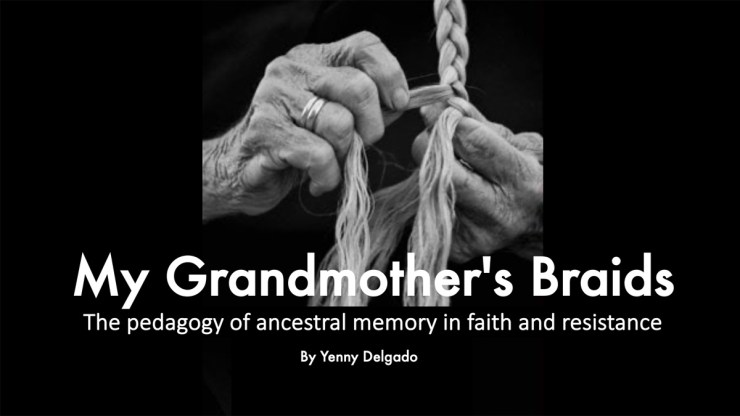
Desde pequeña siempre me sentí fascinada por el pelo largo de mi abuela. Su cabello no era solo una extensión de sí misma, sino la manifestación física de sus pensamientos y la fuerte conexión de cuidado y resistencia. Si alguien le preguntaba por qué tenía el cabello largo, ella siempre respondía: “las mujeres somos hermosas con nuestro cabello largo que crece cada día, debemos de cuidarlo”. Tengo recuerdos de mi abuela haciéndose trenzas temprano en la mañana y todas las noches antes de dormir. Se trenzaba el cabello mientras oraba y, también mientras cantaba. Sus largas trenzas transmitieron su femineidad a la vez que mostraban nuestras raíces ancestrales de una forma de vida tradicional de las mujeres originarias de Abya Yala.

Mi abuela Candelaria nació en Cajamarca, entre las montañas de los Andes del Perú, descendiente de la población originaria y, de generaciones de campesinas y cuidadoras de la tierra. Nació en febrero, el mes de la lluvia y la época del carnaval. Su rostro aunque cubierto de arrugas, revelaba sus agraciadas facciones, y su cabello tan largo y gris, adornado con su infaltable trenza, le daban un toque que siempre me llenaron de magia. Ella estaba orgullosa de su cabello natural y de sus canas, porque decía que “eran el resultado de la edad y la sabiduría”. Era tejedora y agricultora, por lo que sus manos eran ásperas, agrietadas y profundas. Trabajó toda su vida con las manos, que estaban conectadas a la tierra que sembraba y cultivaba con cariño.

Mi abuela enviudó un mes después del nacimiento de su séptimo hijo. Enfrentó desafíos y esfuerzos para criar a sus hijos y alimentarlos. Como parte de la población originaria, sin acceso a la educación, la iglesia fue uno de los pocos lugares donde fue acogida y animada a aprender. A la edad de 30 años, habiendo aprendido de pequeña lo básico de las letras, aprendió a leer de corrido y en voz alta con su Biblia, el libro que la acompañó hasta el final de sus días. Participar en una comunidad cristiana, le dio mucha seguridad y su apoyo la impulsó a seguir aprendiendo.

Pero, ¿quién le enseñó a mi abuela a trenzar su cabello?, ¿cuándo comenzó? Mi abuela aprendió de su madre y abuelas. Sin duda, la familia es la mejor escuela de la vida, donde de una generación a la siguiente generación traspasan sus conocimientos, costumbres y sabiduría.

Es importante recordar que no a todas las mujeres parte de la población originaria se les permitió tener el cabello largo. Durante la invasión y posterior colonización española, nuestros ancestros sufrieron genocidio, esclavitud, y todo tipo de prohibiciones como abusos físicos y emocionales. La colonización fue una ruptura entre esposos y esposas, madres e hijas, padres e hijos, abuelas y nietas. Se les cortó el cabello como señal de esclavitud y humillación. La idea fue someter y hacer que la población nativa perdiera su identidad y sea a sus ojos  “civilizada”. Estos fueron una serie de eventos trágicos, y se han necesitado de siglos para que la población originaria recuperará el derecho a la autonomía y control de sus cuerpos nuevamente. 

Por eso, en las comunidades nativas aún hoy está muy presente la tradición de que las mujeres lleven el cabello largo trenzado. A través del cabello, las mujeres nativas muestran poder en el cuidado de sí mismas y en la práctica de tradiciones ancestrales. Trenzar el cabello se ha convertido en las últimas décadas en un símbolo de resistencia contra la colonización. Trenzar es una forma de identidad, memoria ancestral, protección y resistencia. 

Entre mi abuela y yo hay más de un siglo de historia. Y aunque tenemos varias décadas de brecha decidí seguir con la práctica de trenzar mi cabello. Cada vez que trenzo mi cabello recuerdo a mi abuela con alegría, sabiendo que sigo una práctica ancestral con historia y significado profundo.   

Aunque mi abuela Candelaria partió físicamente el 2020 a sus 90 años. La recuerdo como una mujer valiente que trabajó cada día como campesina y su legado me acompaña cada día. 

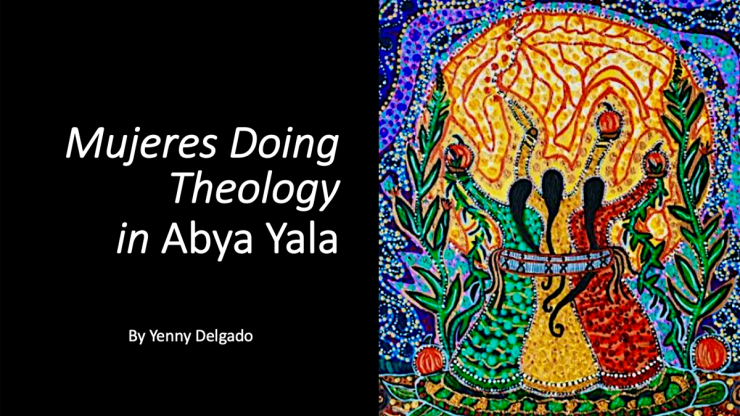
*Agradecimiento a la artista Stephany Carrillo Calderón por la autorización de usar su pintura como imagen de portada de esta publicación.

My Grandmother’s Braids 

The Pedagogy of Ancestral Memory in Faith and Resistance

Growing up I was fascinated with my grandmother’s long hair. Her hair was not only an extension of herself but the physical manifestation of her thoughts and the strong connection of care and resistance. If someone asked why she has long hair, she always answered, “Women are beautiful with our long black hair; we need to take care of ourselves.” I have memories of my grandmother braiding early in the morning and every night before she went to bed. She braided her hair while she prayed and, other times, sang. Her long braids transmitted to me her womanism while at the same time showing the ancestral roots to a traditional way of living for native women in Abya Yala.

My grandmother Candelaria was born between mountains, a generation of native people in the land for millennials. She was born in February, the month of rain and the time for carnival. Her face was beautiful; wrinkled, long hair and small eyes, her face always filled me with magic. She was proud of her gray hair because she said it resulted from age and wisdom. She was a weaver and farmer, so her hands were rough, cracked, and deep. She works with her hand, which were connected to the land; our ancestral motherland took care of her.

My grandmother raised seven children; she became a widow a month after her seventh child was born. She faced challenges and efforts to raise her children and feed them. Grandma was grateful for life; although hard and painful, she knew how to survive and thrive. As part of the native population, with no access to education, the church was one of the few places she was welcomed and encouraged to learn. At the age of 30, through the church she learned how to read and read her Bible daily for everyone to hear. She sincerely believed in God, who brought her freedom and renovated her spirit. 

But who taught my grandmother how to braid her hair? When did it begin? My grandmother must have learned from her mother and grandmothers. Recognizing the story of their lives and care from one generation to the next is our great value. This is perhaps the school of life, full of memories and affection for learning from one age to the next. But seeing firsthand is one way to learn by example. For this reason, I feel very connected to my grandmother in the magical and ancestral relationship between us—a legacy of how to take care of each other.

I wanted to learn more because I remember stories from elders that mentioned that all native women and men were not allowed to have long hair. Interested in digging into this past I read more about the history of colonization and the cruel consequences to the native population.

During the invasion and subsequent colonization, oppressors cut native men and women’s hair. That tragedy, even for centuries, broke that harmonious relationship in Abya Yala. In our native land, my ancestors suffered genocide, slavery, and rape of their bodies and hair. Colonization was a rupture between mothers to daughters, fathers to sons, and entire communities were destroyed. The hair of men and women was cut as a sign of enslavement, powerlessness, and humiliation. To look more like the colonizer, look like a “human being,” something that the oppressor perceived as “civilized.” This was a tragic event for us. It took many centuries for the native population to regain the right to bodily autonomy. Resistance was a way of living.

For this reason, in native communities still present today, the tradition of women having long hair is very much present. Through hair, native women show power in self-care and practicing ancestral traditions. Tying hair into braids has become a symbol of resistance against colonization in the last centuries.

Braid is the intertwining of three strands of hair, crossing them alternately with each other and tightening them; it is linked to the life of humanity. That’s how my grandmother combed her long hair and braids. It was a form of identity, ancestral memory, protection, and resistance. This is why she braids her hair, to make them strong.

Between my grandmother and me, there is more than a century of history. How can I continue my grandmother’s ancestral memory and pedagogy?

In the last years, my hair has grown, and I comb and braid it daily. Her presence draws close to me every time I braid my hair. I remember my grandmother with joy every day. As we can read in the Bible: “Your testimonies are my heritage forever, for they are the joy of my heart. (Psalm 119:111)

The last time I talked with my grandmother was a week before she passed away at 90. When we spoke, she recited several passages from the Bible, and I sang several songs together. I listened to her happily from a distance (we were in the midst of the first wave of COVID-19); I could hear her on the phone. I learned from my grandmother about our family history, which has prepared me to understand my life, faith, and courage to speak up and write about womanism, decolonization and the importance of ancestral memory. Her story and strength are passed from generation to generation. Still, DNA carries its entire history; that main story of survival, care, and resistance we learn seeing our grandmothers practicing is a better example of faith. 

I remember my grandmother as a womanist, elder and healer. Her faith and memories accompanies in my daily walk, reflections and every night as I braid my hair grandma ancestral memory is alive.

Women Doing Theology in the United States

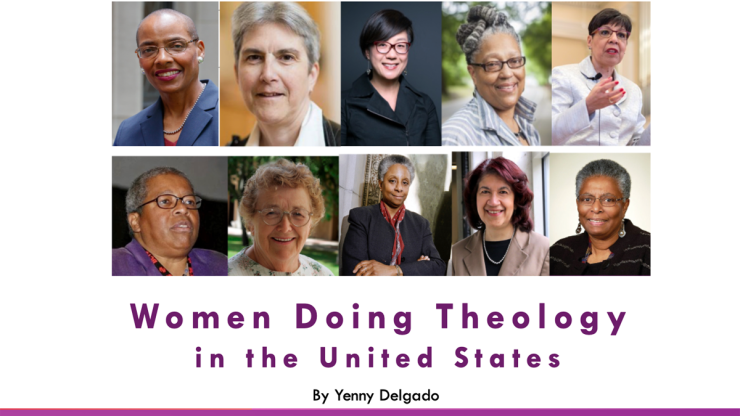
These are the 10 theologians you should know

By Yenny Delgado

When you think of female theologians does a specific name or scholar come to mind? 

Over the past few decades there have been numerous intellectual and theological contributions from women in the United States from both Protestant and Catholic backgrounds. Below, I present the contribution of the 10 most influential women theologians that you should know:

  1. Emilie M Townes

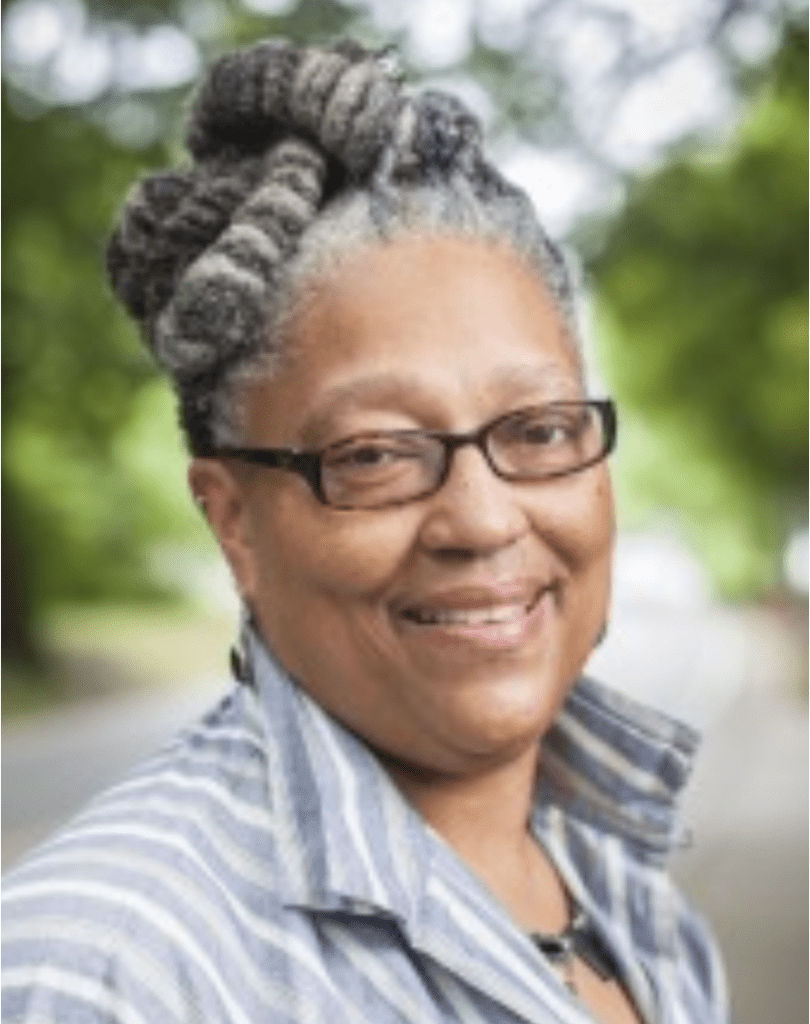
Dr. Townes is a pioneer in Womanist theology. Womanist theology is a field of study in which the historical and current ideas of women of African descent in the United States highlight the critical engagement and traditions of Christian theology. She has developed a keen interest in critical thinking about women’s perspectives on topics such as health care, economic justice, and literary theory.

True to her academic work, she continues her research on women and health in the African diaspora in both Brazil and the United States.

Publications:

  • Womanist Ethics and the Cultural Production of Evil (2006).
  • Breaking the Fine Rain of Death: African American Health Care and a Womanist Ethic of Care (1998).
  • In a Blaze of Glory: Womanist Spirituality as Social Witness (1995).
  • Womanist Justice, Womanist Hope (1993).

2. Katie Cannon

Dr. Cannon was a specialist in ethics and black theology. In 1974 she became the first African American woman ordained in the United Presbyterian Church. She is credited with founding women’s theology and ethics as a field. Additionally, Dr. Cannon, founded and organized the Center for Women’s Leadership at Union Presbyterian Seminary.

Publications:

  • Womanism and the Soul of the Black Community (1998.)
  • Black womanist ethics (1988)

 3. Elizabeth Conde-Frasier

Dr Conde is an ordained pastor of the American Baptist Church with more than ten years of pastoral experience and as a practical theologian.

She was founder of the Orlando E. Costas Hispanic and Latin American Ministries Program at Andover Newton School of Theology, served as full professor of religious education at Claremont School of Divinity, and as academic dean and vice president of education at Esperanza College of Eastern University. Director of AETH.

Publications:

  • Atando Cabos Latinx Contributions to Theological Education (2021)
  • A Many-Colored Kingdom: Multicultural Dynamics for Spiritual Formation (2004)

4. Diana Hayes

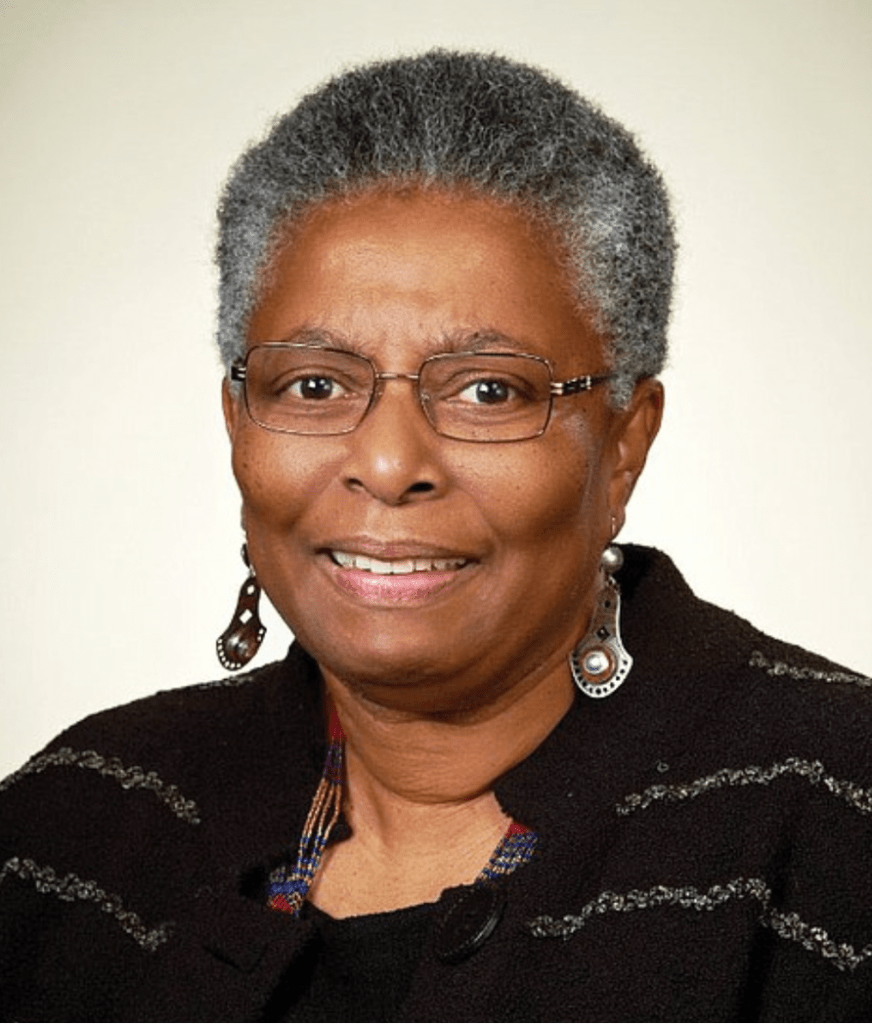
Dr. Hayes emeritus Professor of Systematic Theology at Georgetown University. Her areas of expertise are womanist theology, black theology, US liberation theologies, contextual theologies, religion and public life, and African American and womanist spirituality.

Dr. Hayes is the first African American woman to receive the Pontifical Doctor of Sacred Theology (STD) degree from the Catholic University of Leuven, Belgium, and has also received three honorary doctorates.

Publications:

  • No Crystal Stair: Womanist Spirituality. (2016)
  • Forged in the Fiery Furnace: African American Spirituality. (2012)
  • Standing in the Shoes My Mother Made: A Womanist Theology. (2010)

5. Kathryn Tanner

Dr Tanner her research links the history of Christian thought with contemporary issues of theological interest using social, cultural, and feminist theory. For eight years he has been a member of the Theology Committee that advises the House of Bishops of the Episcopal Church.

Publications:

  • God and Creation in Christian theology (2004)
  • The Politics of God: Christian Theologies and Social Justice. (1992)
  • Theories of Culture: A New Agenda for Theology (1997)

6. Kelly Brown Douglas

Dr. Brown is Dean of Episcopal Divinity School at Union Theological Seminary in New York City. In 2019, she was appointed to the Bill and Judith Moyers Professor of Theology. Kelly is considered a leader in the field of womanist theology, racial reconciliation, social justice, and sexuality and the black church.

Publications: 

  • Stand Your Ground: Black Bodies and Justice of God (2015)
  • Sexuality and the Black Church: A Womanist Perspective. (1999)
  • Resurrection Hope: A Future Where Black Lives Matter.(2021)

7. Wonhee Anne Joh

Dr. Joh theologian is a professor, and lecturer whose influence on the disciplines of religion, women’s equality, and the Asian-American experience has created a great deal of positive thought and discourse.

Publications:

  • Heart of the Cross: A Postcolonial Christology.( 2006)
  • Critical Theology against US Militarism in Asia: Decolonization and Deimperialization (2016)
  • Engaging the United States as a Military Empire: Critical Studies of Christianity from Asian/Asian North American Perspectives. (2016).

8. Mary Shawn Copeland

Dr Copeland is a catholic theologian and former nun. She is Professor Emeritus of Systematic Theology at Boston College and is known for her work in theological anthropology and political theology.

Copeland has held positions at Xavier University of Louisiana, Yale Divinity School, and Marquette University. She worked as an adjunct professor in the Theology Department at Boston College for several years. She was the first African American to serve as president of the Catholic Theological Society of America.

Publications:

The Subversive Power of Love: The Vision of Henriette Delille (2009)

Enfleshing Freedom:Body, Race and Being (2010)

Knowing Christ Crucified: The Witness of African American Religious Experience (2018)

9. Loida Martell-Otero

Dr Martell-Otero earned a doctorate in Theology from Fordham University and is an ordained minister for the Baptist Church. She is currently Dean of Lexington Theological Seminary, where she also serves as professor of constructive theology. Dr. Martell pioneered the study of evangelical theology in the United States. She has published articles on evangelical soteriology, Christlogy, doctrine of God, biblical hermeneutics, incarnation, eschatology, globalization, and vocation.

Publications:

Teología en Conjunto: A collaborative Hispanic Protestant Theology (1997)

Latinas evangélicas: A Theological Study from the Margins. (2013)

10. Rosemary Radford Ruether

Dr. Radford is Catholic theologian known for her important contributions to the field of feminist theology. Her field of knowledge and writing is wide, with topics ranging from feminist theology and ecofeminist theology to topics such as anti-Semitism and the Israeli-Palestinian conflict.

She is a proponent of women’s ordination, a movement among Catholic religious people who affirm the ability of women to serve as priests, despite official sanction.

Publications:

  • The Church Against Itself. (1967)
  • Women and Redemption: A Theological History. (2012).
  • Women Healing Earth: Third World Women on Ecology, Feminism, and Religion.(1996).

As you can see, the contribution of women in the field of theology in the United States is broad, and is growing.  These theologians have developed and expanded the field of thought and reflection in constant evolution and in a continuous exploration of aspects that previously went unnoticed and that are now highlighted. Their writings respond to our current contexts where women take leading roles and without a doubt, they contribute not only to the theological field but also to society itself.

You can also read more about Women Doing Theology in Abya Yala

______________________

Yenny Delgado– Psychologist and Theologian. Director of Publica and convener of Women Doing Theology in Abya Yala. She writes about the intersections between ancestral memory, decolonization, womanist/feminist, psychology of Religion, native spirituality and public faith. Currently, she is a Ph.D candidate in Psychology of Religion at the University of Lausanne.
White supremacy and presidential elections in Colombia

By Yenny Delgado

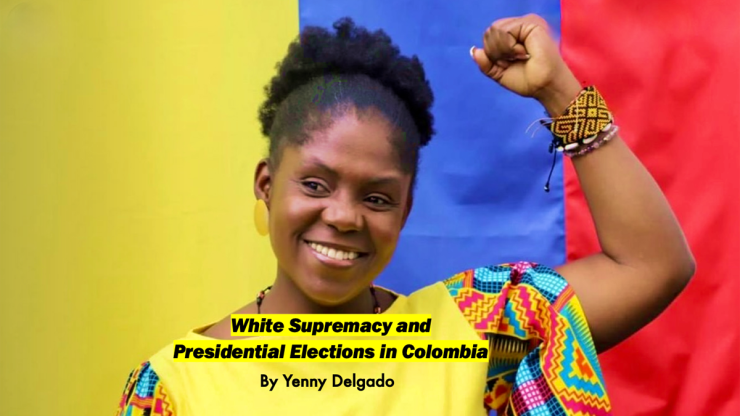
Colombia is on the verge of a historic election in which a woman of African Descent has the genuine possibility of being elected as Vice-President. Francia Márquez, 40 years old, who is of African Descent, could become the second in command of the republic. But what is the difference between the Colombian elections and the well covered candidacy in the United States of Barack Obama, who is African America, during his presidential campaign in 2008? Or during the candidacy of Kamala Harris, who in 2020 was elected the first female Vice-President of the United States as a woman of African and Asian ancestry?

Just as what happened in the United States, in Colombia people are making racist jokes about being governed by an “African,” and other disparaging comments making visible the racism that is often not so subtly hidden under the surface of Colombian society. On the other hand, people who support Marquez’s candidacy in Colombia have different approaches. They see an opportunity to show what equal rights and inclusion could look like in Colombia’s political sphere and offer a more progressive view of the country.

For the past decade, I have written about racism and the ideology of white supremacy in the United States. There have been few willing to engage in discussions or conversations for most of this time, especially with colleagues throughout Abya Yala. The view and thought has been that the problem is more contextualized to the north and the United States but does not accurately reflect situations throughout the continent. In the United States, it is clear to see the long history of persistent laws and customs that have supported practices that preferentially benefit individuals of European ancestry. In the South, these people claim, history is different, and it is different from the “Anglo” oppression. However, following the assassination of George Floyd by a police officer of European ancestry that was captured on video for the world to see amid a global pandemic, there has been a greater awareness and awakening throughout the continent of how our societies truly operate and the underlying opinions, subversive racism and white supremacist thoughts we hold as a society.

However, we often fail to realize similar histories and laws are pervasive throughout the continent, all motivated by the flawed idea of white supremacy. There are deep roots in the history of colonization that many people no longer want to talk about. In the conservative circles, it is about “old history.” In the liberal circles, they prefer to move quickly around “post-colonization.” Both prefer and desire to bypass the most tragic events in Abya Yala.

Not surprisingly, the resemblance between United States and Colombia history is the same. Colonization of the native population and the enslavement of Africans go hand to hand in all over the continent. Colonization and white supremacy were not invented in Abya Yala but in Europe, where they divided the territory between Catholics and Protestants; between Spanish and Portuguese; between English, and French. We can see the same colonialist agenda that was used throughout the hemisphere to ensure that in both the United States and Colombia, and other nations in Abya Yala, white supremacy remains the norm.

Marquez is from the Cauca Region. The region has a long history of exploiting individuals of African ancestry to mine golds and plant a variety of crops. During colonial times, enslaved Africans were bought, sold, or inherited between the Spanish and their descendants, also known as “Criollos”, whom the Spanish Caste system defined as Spaniards born in Abya Yala, in Popayan and other regions in Colombia Today, the sting of this period of slavery continues to plague the nation as racist rhetoric surrounds Francia Marquez’s candidacy.

The candidacy of Francia puts the finger on the wound. Her empowerment as a community leader and educated Afro-descendant woman breaks the silence. It forces the ruling to confront themselves and deal with a history of injustice and inhumanity. The comments towards Márquez’s candidacy, such as “she must go back to Africa” or “Colombia is not an African country,” seem to exemplify what many non-Black Colombians have long believed but have never openly said.

Marquez represents the face of a country with historical memory. Thanks to the brave presence of Marquez, Colombia can recognize and confront its history by seeing someone like her on the ballot. For this reason, Marquez puts on the table what the new Colombian generations want to discuss and how those generations desire to see the country move forward.

A few days before the elections, Colombia is again faced with deciding the next political administration, a difficult task, when the right-wing counterattacks with discriminatory speeches and the left and liberals promise to solve an ideological problem with laws.

Laws are powerful tools but are not the remedy. Everyone who wants to move forward needs to confront the consequences of colonization, which is indeed the original sin and basis of white supremacist ideology. We have a shared story across Abya Yala, and the current election should help us see the interconnectedness of this land and its real history.

Yenny Delgado

Psychologist and Public Theologian. Director of Publica and convener of Mujeres Doing Theology in Abya Yala. Ruling elder in the Presbyterian Church USA. She writes about the intersections between ancestral memory, decolonization, womanism, and public faith. 

Mujeres haciendo teología en los Estados Unidos

Estas son las 10 teólogas que debes conocer ¡sí o sí!

En Estados Unidos se han desarrollado estudios teológicos cristianos entre los protestantes y católicos, que son de largo recorrido, pero muchas veces se les ha criticado por replicar una teología europea, centrada en una ideología de superioridad y discriminación, centrada sólo en obras desarrolladas por teólogos varones y blancos. Como consecuencia, se redujo la mirada crítica de la diversidad que se vive en el país. Esta crítica ha permitido dar valor a otras perspectivas que en las últimas décadas se han ido desarrollando, como es el caso del trabajo de las teólogas de diversas etnicidades y ancestralidades, que vienen buscando abrir nuevos caminos y formas de hacer teología en los Estados Unidos. 

A continuación, les presentamos el aporte de las 10 teólogas estadounidenses más influyentes que debes conocer:

1. Katie Cannon

Especialista en ética y la teología negra. En 1974 se convirtió en la primera mujer afroamericana ordenada en la Iglesia Presbiteriana Unida. Se le atribuye la fundación de la teología y la ética mujerista como campo. La Dra.Cannon fundó y organizó el Centro para el Liderazgo de Mujeres en el Seminario Presbiteriano de la Unión.

Publicaciones:

  • El capricho feroz de Dios: las implicaciones del feminismo para la educación teológica.
  • El canon de Katie: el feminismo y el alma de la comunidad negra.

2. Emilie M. Townes

Ha sido una pionera en teología Mujerista, un campo de estudios en el que las ideas históricas y actuales de las mujeres afrodescendientes en los Estados Unidos que ponen en relieve el compromiso crítico y las tradiciones de la teología cristiana. La Dra. Townes ha forjado un gran interés en el pensamiento crítico sobre las perspectivas mujeristas en temas como el cuidado de la salud, la justicia económica, y la teoría literaria.

Fiel a su trabajo académico ella continúa su investigación sobre la mujer y la salud en la diáspora africana en Brasil y Estados Unidos.

Publicaciones: 

  • Ética teológica feminista.
  • La ética Mujerista y la producción cultural del mal entre otros.

3. Elizabeth Conde- Frasier

Es pastora ordenada de la Iglesia Bautista con más de diez años de experiencia pastoral y como teóloga práctica.

Fue fundadora del Programa de Ministerios Hispanos y Latinoamericanos Orlando E. Costas en la Escuela Teológica Andover Newton, se desempeñó como profesora titular de educación religiosa en la Escuela de teología Claremont y como decana académica y vicepresidenta de educación en Esperanza College of Eastern University. La Dra. Conde-Frazier es actualmente directora de AETH.

Publicaciones:

  • Atando Cabos: Aportes Latinx a la Educación Teológica.
  • Latinas Evangélicas: Un Estudio Teológico desde los Márgenes.
  • Institutos Bíblicos Hispanos: Una comunidad de construcción teológica.

4. Diana Hayes

Profesora emérita de Teología Sistemática en la Universidad de Georgetown. Sus áreas de especialización son la

teología mujerista, la teología negra, las teologías de la liberación de EE. UU., las teologías contextuales, la religión y la vida pública, y la espiritualidad afroamericana y mujerista.

La Dra. Hayes es la primera mujer afroamericana en recibir el título de Doctora Pontificia en Teología Sagrada (S.T.D.) de la Universidad Católica de Lovaina (Bélgica) y también ha recibido tres doctorados honorarios.

Publicaciones:

  • Sin Escalera de Cristal: Espiritualidad Mujerista.
  • Forjado en el horno de fuego: espiritualidad afroamericana.
  • Pararse en los Zapatos que Hizo Mi Madre: Una Teología Mujerista.

5. Kathryn Tanner

Su investigación relaciona la historia del pensamiento cristiano con temas contemporáneos de interés teológico utilizando la teoría social, cultural y feminista.  Durante ocho años ha sido miembro del Comité de Teología que asesora a la Cámara de Obispos de la Iglesia Episcopal.

Publicaciones:

  • Dios y la creación en la teología cristiana: ¿tiranía o empoderamiento? 
  • La política de Dios: teologías cristianas y justicia social.
  • Teorías de la cultura: una nueva agenda para la teología Jesús, la humanidad y la Trinidad: una breve teología sistemática.

6. Kelly Brown 

Decana de la Escuela de Divinidad Episcopal en el Seminario Teológico Unión en la ciudad de Nueva York. En 2019, fue nombrada para dictar la cátedra de Teología Bill y Judith Moyers.

La Dra.Brown es considerada una líder en el campo de la teología mujerista, la reconciliación racial, la justicia social y la sexualidad.

Publicaciones:

  • Defender su posición: cuerpos negros y la justicia de Dios. La sexualidad y la iglesia negra: una perspectiva mujerista. Resurrección Hope: un futuro donde las vidas de los negros importan.

7. Wonhee Anne

Teóloga, profesora y conferenciante cuya influencia en las disciplinas de la religión, la igualdad de la mujer y la experiencia asiático-estadounidense ha creado una gran cantidad de pensamiento y discurso positivo.

Publicaciones:

  • Corazón de la Cruz: una cristología poscolonial
  • Teología crítica contra el militarismo estadounidense en Asia: descolonización y desimperialización (2016)
  • Involucrar a los Estados Unidos como un imperio militar: estudios críticos del cristianismo desde perspectivas asiáticas / asiáticas de América del Norte. (2016).

8. Mary Shawn Copeland

Teóloga católica y ex hermana religiosa. Es profesora emérita de teología sistemática en el Boston College y es conocida por su trabajo en antropología teológica y teología política.

La Dra. Copeland ha ocupado cargos en la Universidad Xavier de Luisiana, la Escuela de Divinidad de Yale y la Universidad de Marquette. Trabajó como profesora adjunta en el Departamento de Teología de Boston College durante varios años.

La Dra. Copeland fue la primera afroamericana en ocupar el cargo de presidenta de la Sociedad Teológica Católica de América también fue el coordinador del Simposio Teológico Católico Negro.

Publicaciones

  • Libertad encarnada: cuerpo, raza y ser.
  • Conociendo a Cristo Crucificado: El Testimonio de la Experiencia Religiosa Afroamericana.
  • Fidelidad poco común: la experiencia católica Negra.

9. Loida Martell-Otero

Doctora en Teología por la Universidad de Fordham y ministra ordenada por las Iglesia Bautistas. Actualmente es decana del Seminario Teológico de Lexington, donde también se desempeña como profesora de teología constructiva. La Dra. Martell fue pionera en el estudio de la teología evangélica en Estados Unidos. Ha publicado artículos sobre soteriología evangélica, cristología, doctrina de Dios, hermenéutica bíblica, encarnación, escatología, globalización y vocación.

Publicaciones:

  • Teología en Conjunto: una teología protestante hispana colaborativa.
  • Latinas Evangélicas: un estudio teológico desde los márgenes. 

10. Rosemary Radford Ruether

Teóloga católica conocida por sus importantes contribuciones al campo de la teología feminista. Su campo de conocimiento y escritura es amplio, con temas que van desde la teología feminista y la teología ecofeminista, hasta temas como el antisemitismo y el conflicto palestino-israelí.

La Dra.Radford es una defensora de la ordenación de mujeres, un movimiento entre personas religiosas católicas que afirman la capacidad de las mujeres para servir como sacerdotes, a pesar de la sanción oficial. 

Publicaciones:

  • La Iglesia contra sí misma.
  • Mujeres y redención: una historia teológica. 
  • Mujeres curando la tierra: mujeres del tercer mundo sobre ecología, feminismo y religión.

El aporte de las mujeres en el campo de la teología en los Estados Unidos es amplio, y se encuentra en crecimiento, en constante evolución y en una continua exploración de aspectos que antes pasaron inadvertidos y que ahora se ponen en relieve, ya que responden a nuestros contextos actuales donde las mujeres toman roles protagónicos y sin duda, aportan no solo en el terreno eclesial sino también en la sociedad misma.

Comparte este artículo y difunde la lectura de teólogas en su comunidad!

____________________________

Yenny Delgado

Psicóloga y teóloga. Directora de Publica Theology y columnista en Unbound. Escribe sobre las intersecciones entre memoria ancestral, etnicidad, mujerismo y fe pública.

Mujeres Doing Theology in Abya Yala

The ten female theologians you should know

Abya Yala is a continent with a diverse population. In the last five centuries, the native people and their descendants have inhabited sacred lands with migrants from Europe, Africa, and Asia. These unique experiences of merging and interacting cultures, languages, spirituality, and backgrounds have led to a unique theological voice reflecting emerging from Abya Yala.

Indeed, Abya Yala comes from the Guna language and means “land in full maturity.” Since the 1970s, activists, writers, and academic descendants of the native population have adopted Abya Yala as the unified name of the continent in resistance to colonization and marginalization.

As women, we have been doing theology from different realities and reflections that have profoundly impacted the field and theological discourse. However, if we reflect on well-known theologians or those studying theology read, we often draw a blank.

Women theologians play a vital role in the theological and pastoral landscape, serving as the heart of the Church in the eyes of God. Unfortunately, our substantial contributions are frequently invisible by a patriarchal system that predominantly highlights the work of male and mainly white theologians perspective. This oversight is is profoundly disturbing!

This article amplify the voices of 10 remarkable women theologians in Abya Yala.

Here are the ten female theologians you should know:

1.Sofía Chipana (Bolivia)

A prominent voice of indigenous theology in Abya Yala, she values dignified and sacred life with the earth and respect for all life forms in her writing. She has worked with networks dedicated to theological reflection and articulating knowledge, wisdom, and spiritualities. She is a member of the Community of Indigenous Theologians of Abya Yala and the Andean Theological Community that fosters dialogue between the Andean peoples.

Quotables:“In the contexts of colonized peoples of Abya Yala, the Bible has been used as a colonizing instrument to alienate our identities, subjugate our territories and confine us to live as foreigners in our own lands.”

Publications: “Today’s tools for exegesis and hermeneutics” and “Apocalyptic: Stories for the recreation of life.”

2.Luzmila Quezada (Peru)

Luzmila has work has focused on the role of women in faith communities. She has a doctorate in History and Theology and has devoted herself to teaching Systematic Theology, Feminist Theology, and Gender. In addition to her academic work, Luzmila is an ordained pastor of the Wesleyan Church and coordinator of the feminist theologians of Peru.

Quotables: “Women’s doing theology results from a critical reflection that challenges traditional theology. It is a theology that starts from everyday life in response, overcoming all forms of marginalization, exclusion.”

Publications: “Re-appropriating our lives, bodies, and sexualities. Methodological guide” ,”Fundamentalisms and Sexuality. Gender and Religion. Pluralisms and religious dissidents.”, “Christian women, social mobility and citizenship.”

3.Ivonne Gebara (Brazil)

Ivonne works from Brazil and presents eco-feminism connecting the exploitation of nature with the oppression experienced by peasant women, who have been exploited and dominated just like mother earth. Women have been relegated to being reproductive sources in the service of a patriarchal, hierarchical system. In her work, she denounces violence against nature and connects the natural world and its ideological, anthropological, and mythical relationship with women.

Quotables: “For men, evil is an act one can undo. But for women, evil is in their very being.”

Publications: “Women healing the earth: ecology, feminism and religion, according to Third World women,” “The thirst for meaning. Ecofeminist searches in poetic prose” and “ecofeminist theology” among others.

4.Maricel Mena (Colombia)

Maricel is a theologian, biblical scholar, and researcher. She specializes in contextual theology, feminist black biblical hermeneutics, and gender, and currently works at the Faculty of Philosophy and Theology at Saint Thomas University and investigates other religions, comparative religion, and Abrahamic religions.

Quotables:“The feminist black biblical hermeneutics rescues the black woman from the role of poor, maid, and slave, a role invented by the scholars who formed the socio-religious imaginary and places her as the protagonist of a story of struggle and resistance.”

Publications: “Latin American Biblical Panorama, “Spirituality, Justice, and Hope from Afro-American and Caribbean Theologies,” “A Question of Skin: From Hegemonic Wisdoms to Emerging Wisdoms,” among others.

5.Carolina Bacher Martinez (Argentina)

Carolina is a doctor of theology and professor of Pastoral Theology. Her work and contribution are to participatory action research through the theology of the signs of the times. She is a member of the Church, Society, and State Group in Argentina and the Urban Theology Group “Spirituality Practices” of the Archdiocese of Buenos Aires. She is vice president of the Argentine Society of Theology SAT.

Quotables: “Each one of us deserves to know, learn from our itinerary, and continue our work, renewed by the encounter.”

Publications: “He talks to us on the road. Preliminary considerations regarding the subject, objective and method of a pastoral theology.”

6.Elsa Tamez (Mexico)

Elsa has a doctorate in Theology from the University of Lausanne. She is an emeritus professor at the Latin American Biblical University in San José, Costa Rica. She specializes in Bible with a feminist perspective, and contextual biblical critiques brought new perspectives to these fields of study. 

Quotables: “‎God remains silent so that men and women may speak, protest, and struggle. God remains silent so that people may really become people. When God is silent and men and women cry, God cries in solidarity with them but doesn’t intervene. God waits for the shouts of protest.”

Publications: “The Bible of the oppressed,” “The amnesty of grace,” and “Struggles for power in early Christianity: a study of the first letter of Timothy,” among others.

7.Agustina Luvis (Puerto Rico)

Agustina has a long history of theological studies with a Ph.D. in Systematic Theology from the Lutheran School of Theology in Chicago. Her work includes Pentecostal and feminist theologies. She writes about women and their pastoral work. Agustina is currently Dean of the Evangelical Seminary of Puerto Rico.

Quotables: “Language is never neutral. Our language can give life and can cause death. To use the term “illegals” to refer to undocumented people is a tactic that influences the debate on immigration and feeds hatred and violence.”

Publications: “Sex in the Church” and “Created in her image: A comprehensive pastoral for women.”

8.Emilie M. Townes (United States)

She has been a pioneer in Womanist theology, a field of study in which the historical and current ideas of Afro-descendant women in the United States are brought into critical engagement with the traditions of Christian theology. Emilie has a keen interest in thinking critically about Women’s perspectives on topics such as health care, economic justice, and literary theory.

True to her academic work, she continues her research on women and health in the African diaspora in Brazil and the United States.

Quotables: “Ethics and theology are intimate dance partners — theology helps me think through how I experience God; ethics helps me think through how I must respond to this experience and also act on it.”

Publications: “Feminist theological ethics,” “Womanist ethics and the cultural production of evil,” among others.

9.Geraldina Céspedes (Dominican Republic)

Geraldina is a religious of the Congregation of Dominican Missionary Sisters of the Rosary. She has a doctorate in Systematic Theology. Her missionary and theological career have passed in various communities. 

Geraldine writes about the dehumanizing treatment in which people are objects of consumption and in the face of pseudo spiritualities of prosperity and “happiness.” Her work confronts the abuse of women’s time and their corporeity. Women are consumed, and only their profitability is sought for the market and patriarchy.

Quotables: “Ecofeminism precisely seeks to place other epistemological, philosophical and cosmological bases that allow the construction of another vision of nature, of the human being and of God.”

Publications: “Eco feminism Theology healthy for the earth and its inhabitants,” “The theologies of liberation before the market and patriarchy.”

10.Ada Isasi-Díaz (Cuba)

Ada theological work revolved around the concept of exile and the experience of being an immigrant in the United States, where she criticizes the sexism and violence of the Hispanic culture, inherited from a colonizing and violent process on the continent. Ada wrote from every day, in the daily experience of life, as an epistemological framework in her reflection and writing.

Quotables: “To name oneself is one of the most powerful acts any person can do.”

Publications: “Womanist Theology,” “In the Struggle,” “The Continual Struggle”

These ten women theologians of Abya Yala are a source of inspiration and reflection with a perspective more focused on the equity and value of women, safeguarding their identity, and redefining their correct position in the world. Women immersed in the world of theology use their work to impact their congregations and the entire continent.

I invite you to read more about the theological work carried out in Abya Yala. In this way, we can promote the interest of more women to enter this vast, necessary and urgent field of reflection.

                              ____________________         

Yenny Delgado

Psychologist and Public Theologian. She is ruling elder in the Presbyterian Church USA. Director of Publica Theology and convener of Mujeres Doing Theology in Abya Yala. She is a Ph.D Candidate in Psychology of Religion from University of Lausanne. She writes about the intersections between ancestral memory, gender, decoloniality, and faith in the public square.
MUJERES HACIENDO TEOLOGÍA

La reflexión teológica desde las mujeres ha pasado por diversos momentos. Mujeres comprometidas con la reflexión teológica liberadora integral aportan cada día en el quehacer teológico. Este es un espacio para para hacer teología en comunidad.

Acompáñenos este jueves 17 de febrero y sea parte de nuestra comunidad de teólogas, pastoras y seminaristas en Abya Yala.